Understand How Bitcoin Works 2026 01 08
Date: 2026-01-08
Presenter: Round Rock Bitcoiners
Outline & Notes
Understand How Bitcoin Works: A Visual Tech Guide
Speaker: Brandon Schreiner (RRBTC) Date: January 08, 2026
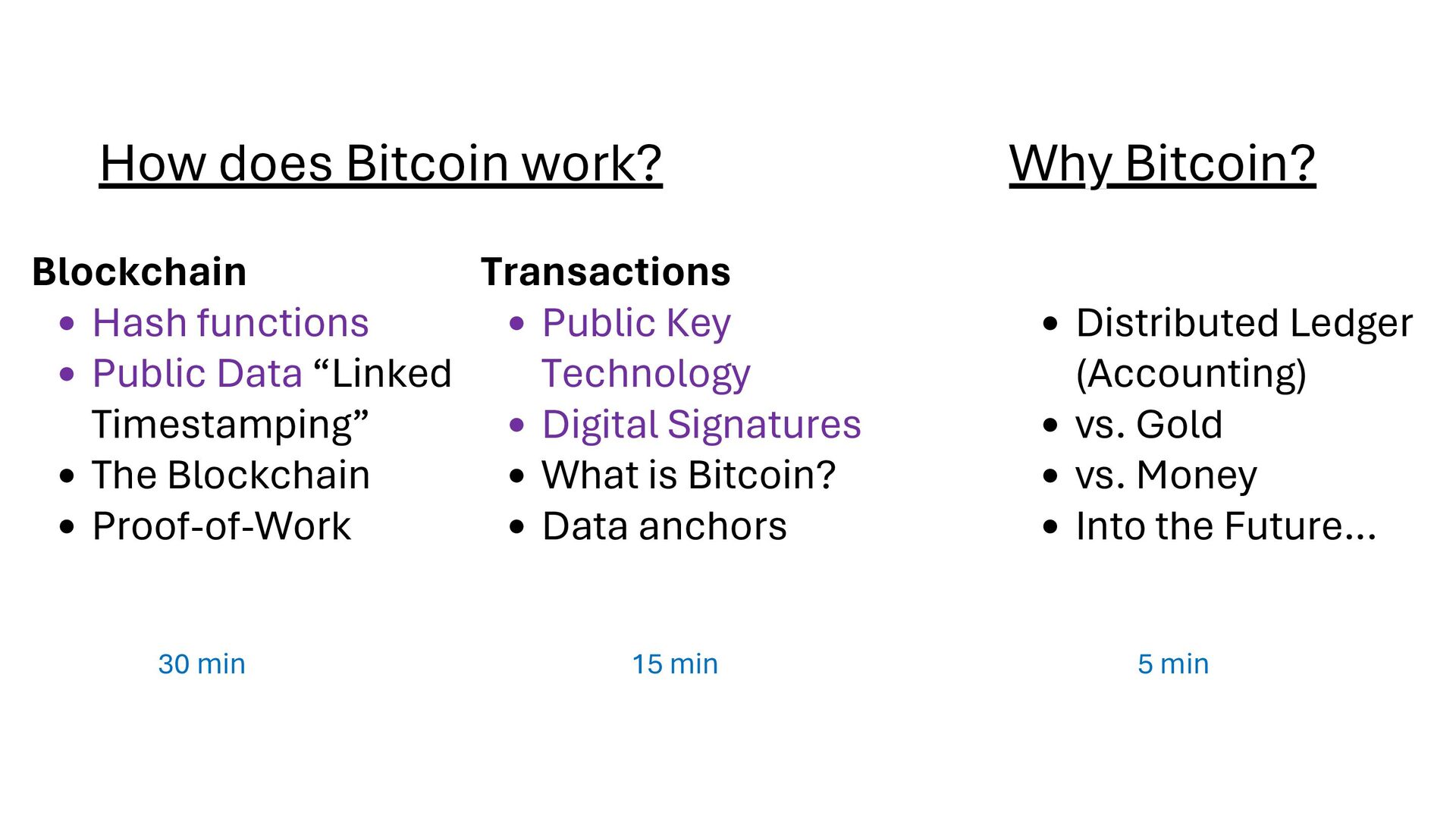
1. Core Technology: Hash Functions
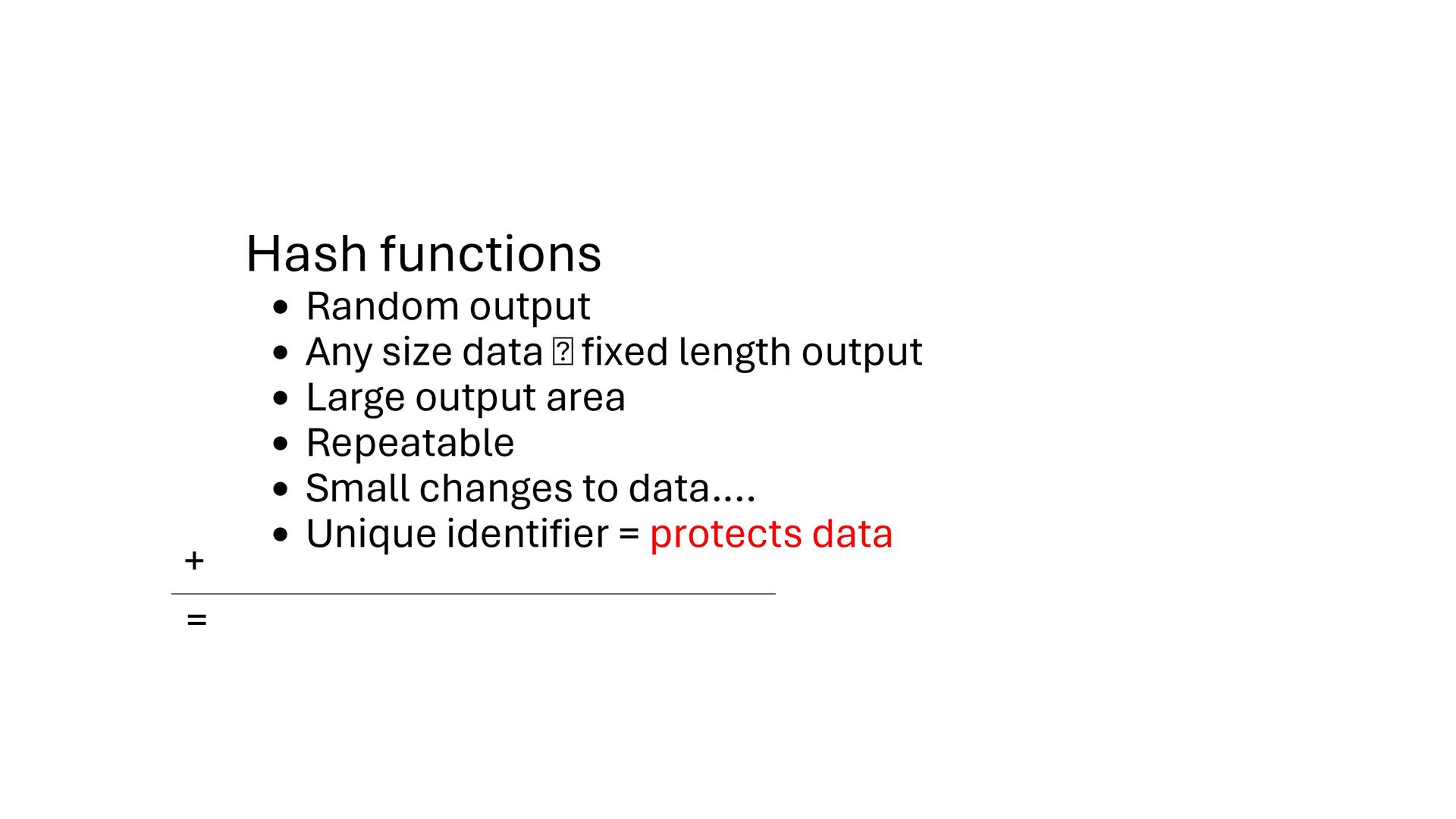
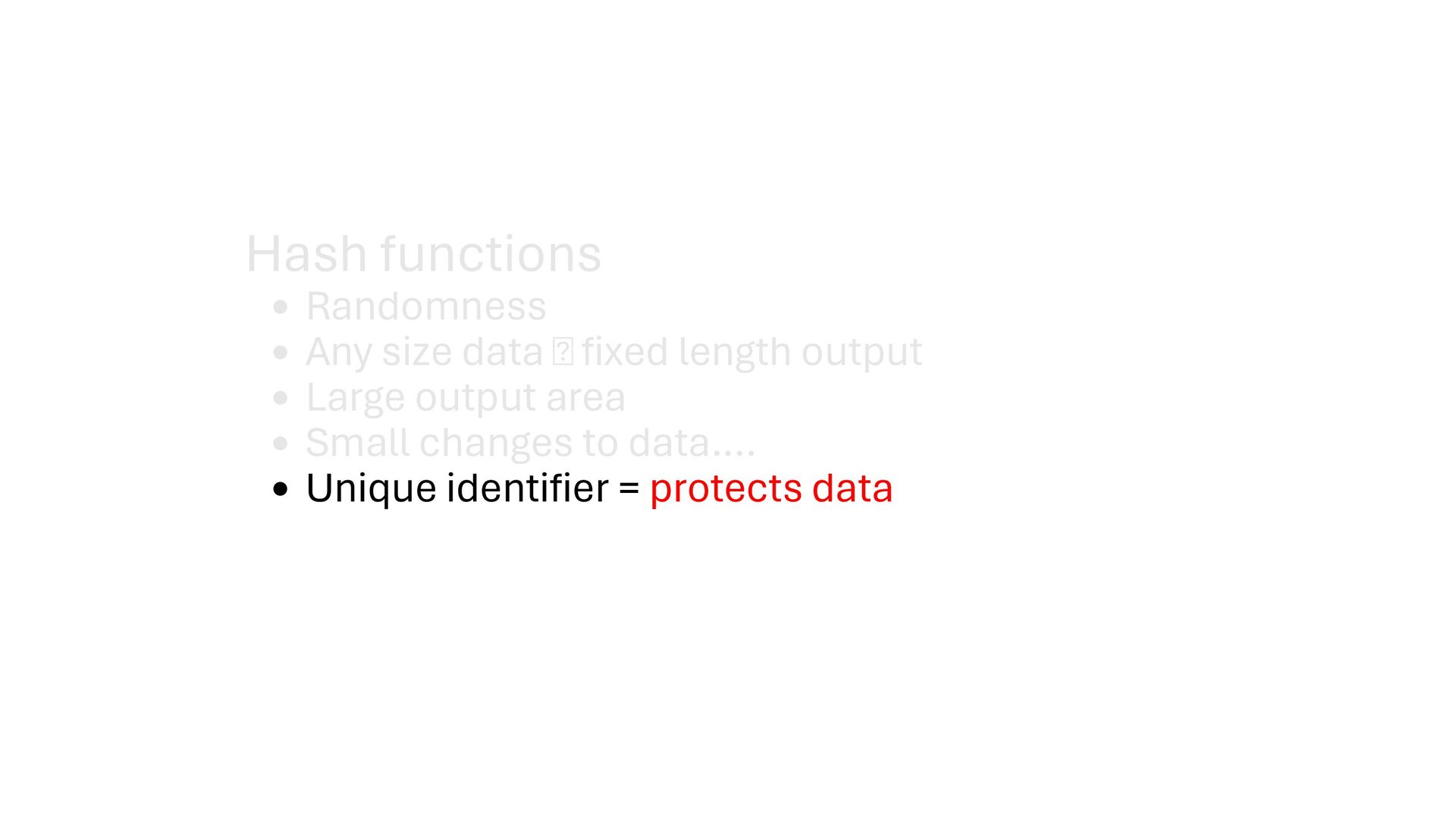
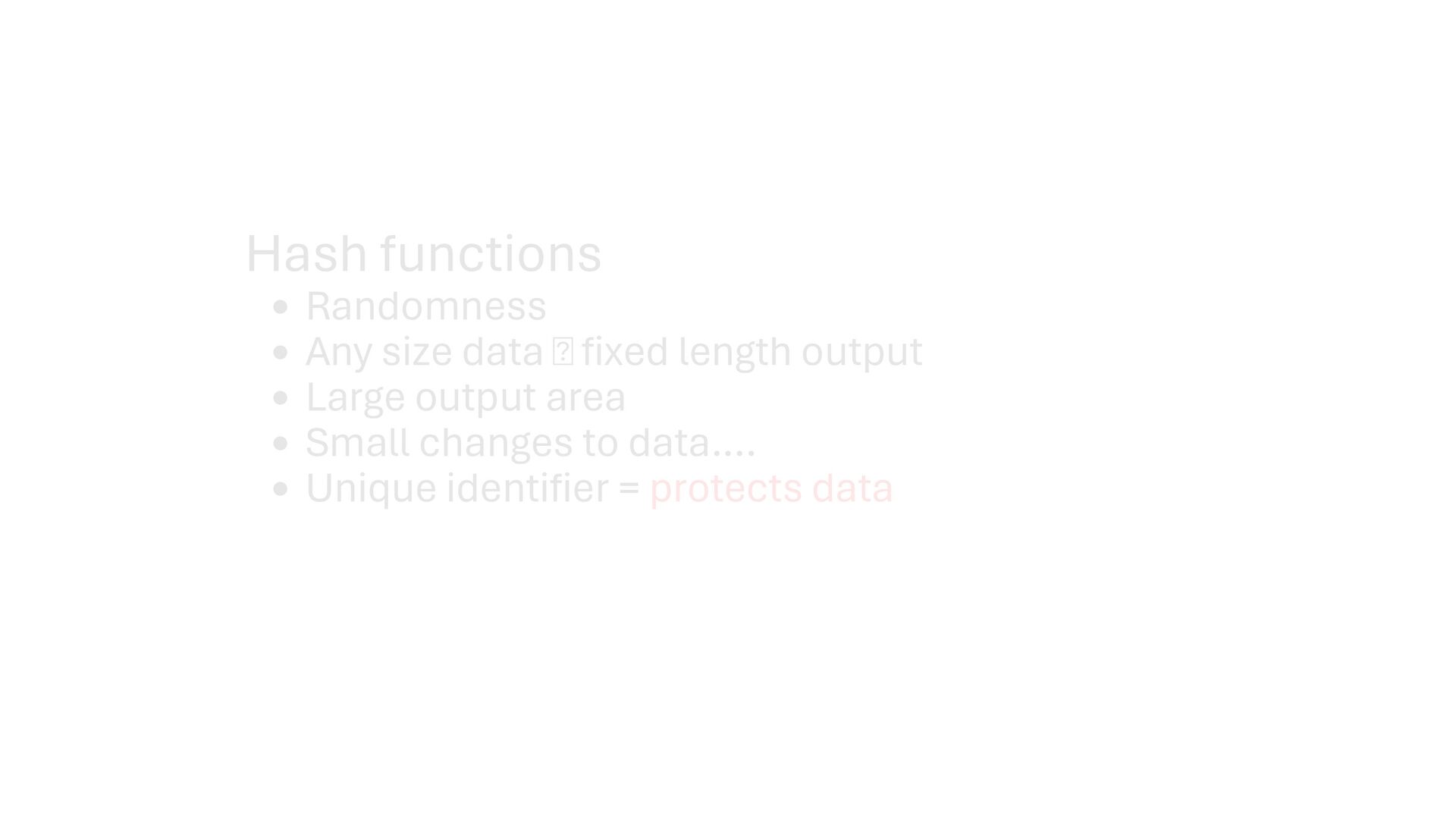
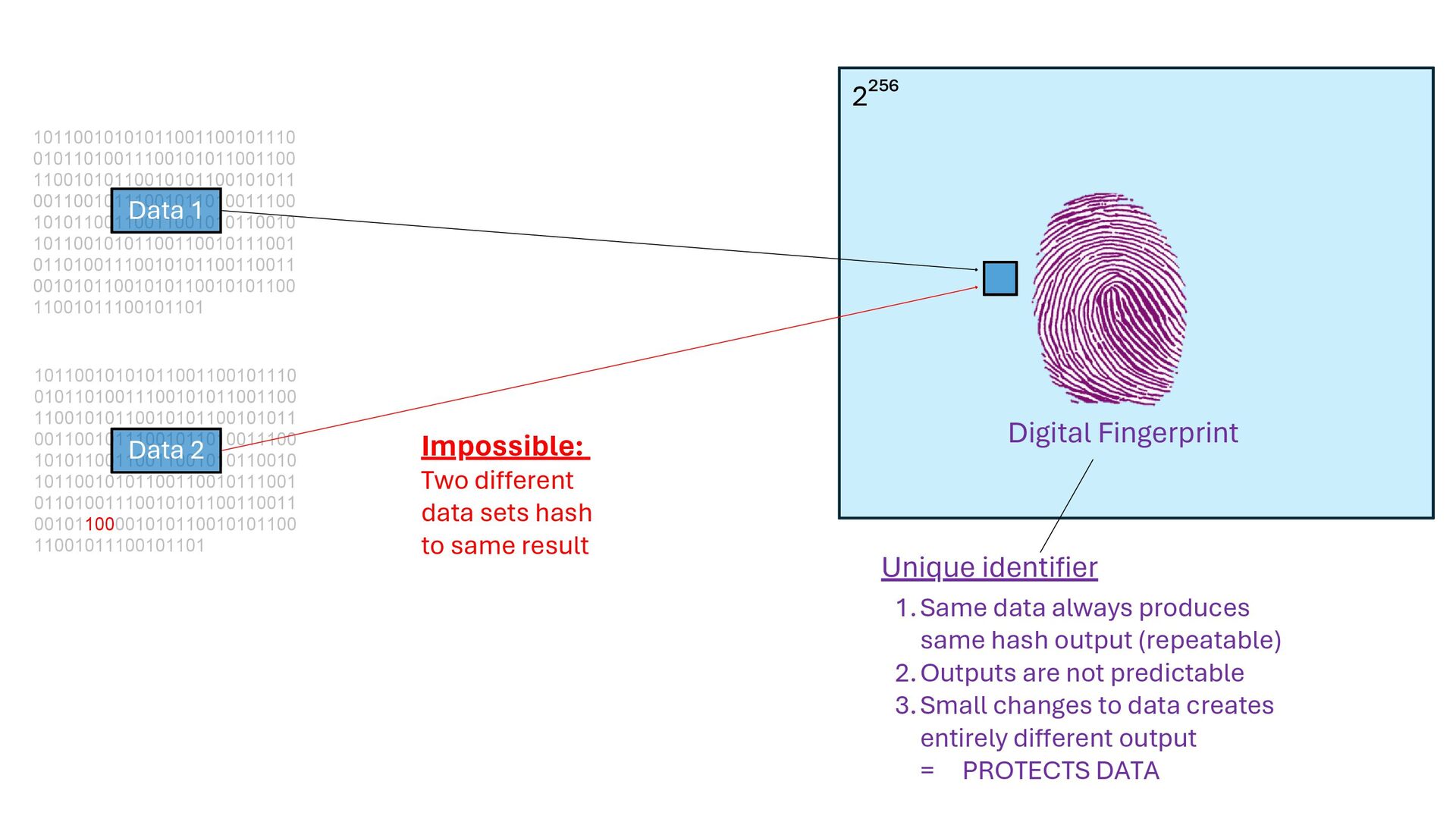
Hash functions are the "digital fingerprints" that protect data integrity.
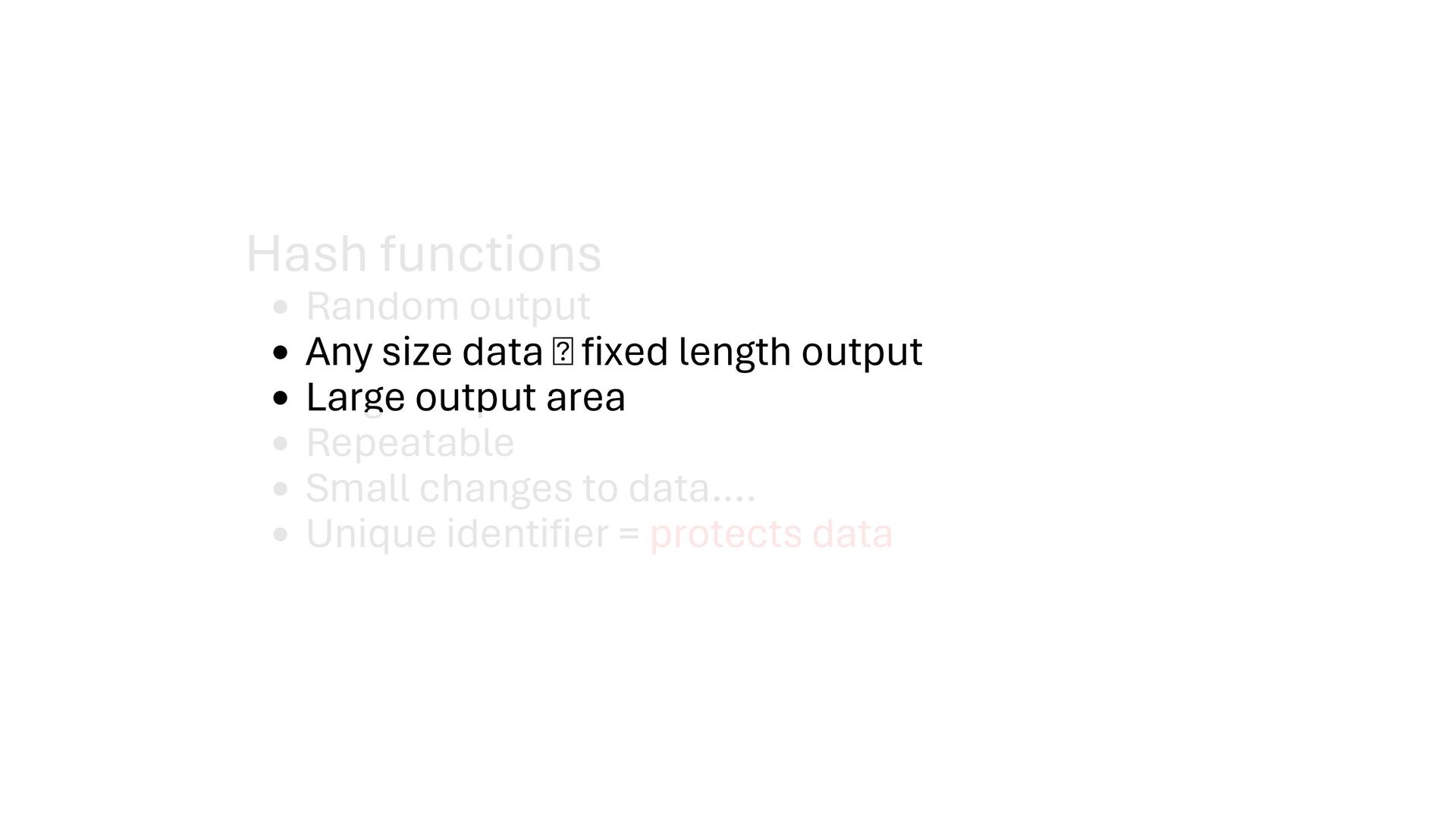
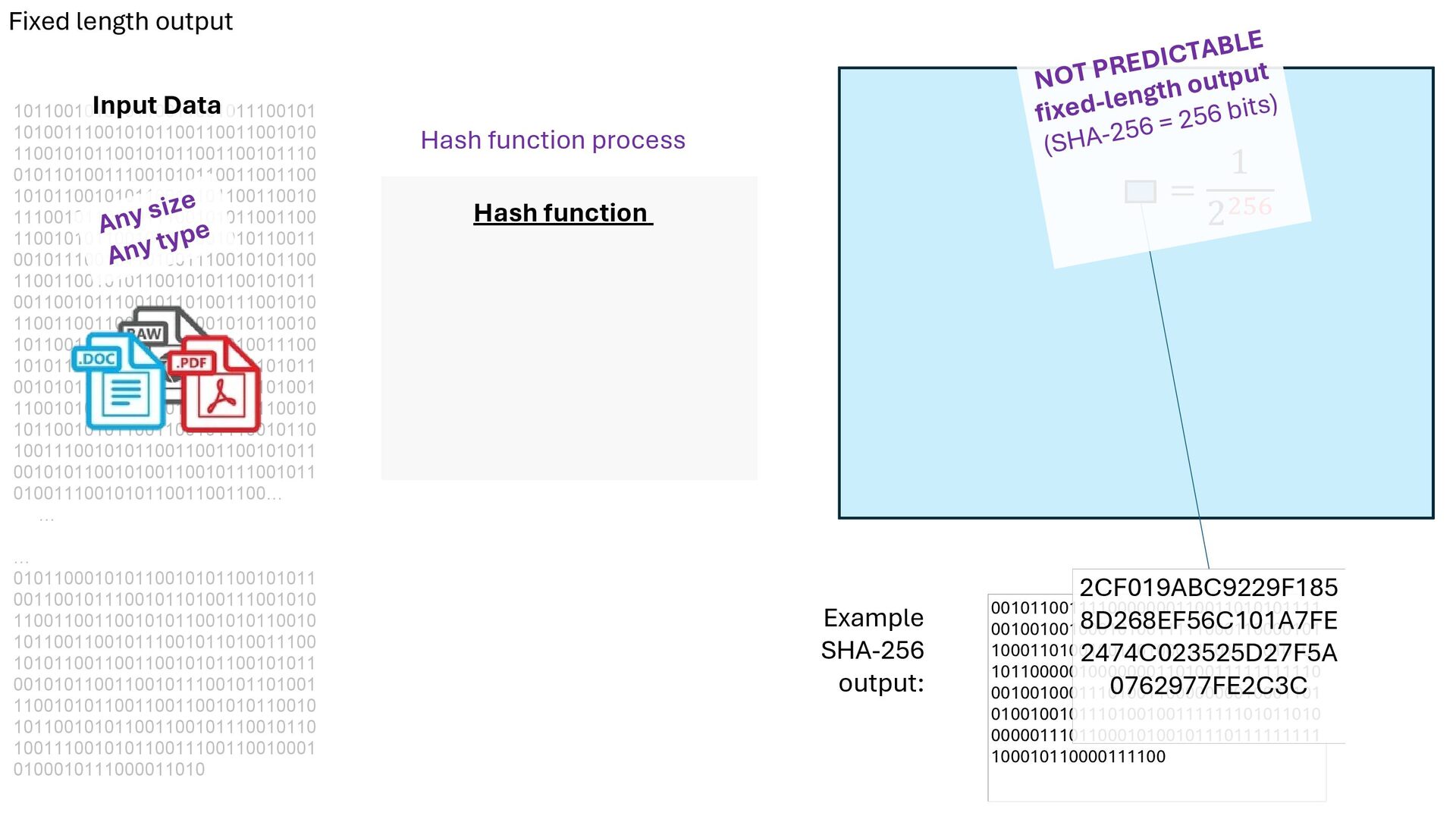
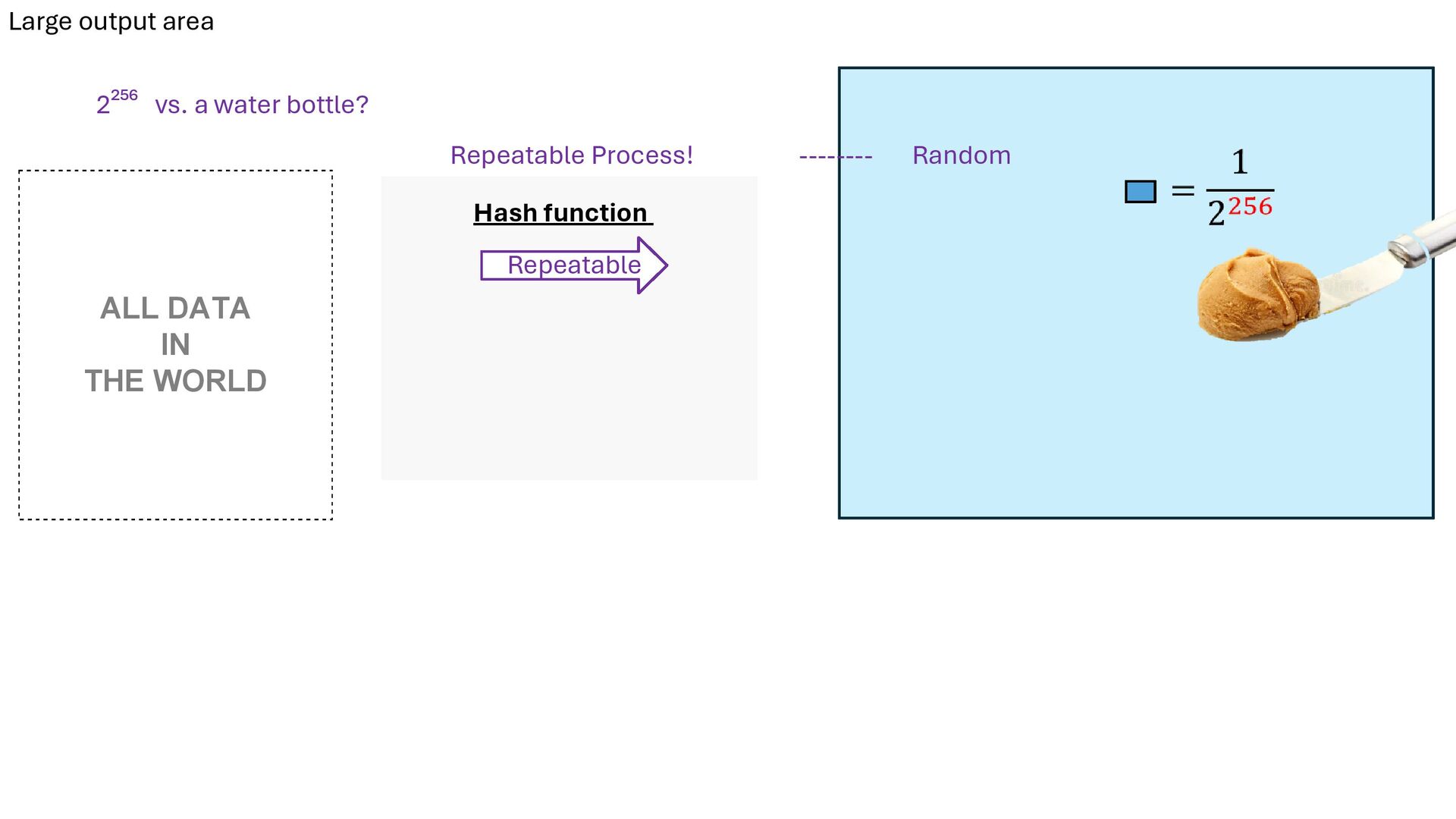
- Fixed Length Output: SHA-256 = 256 bits regardless of input size
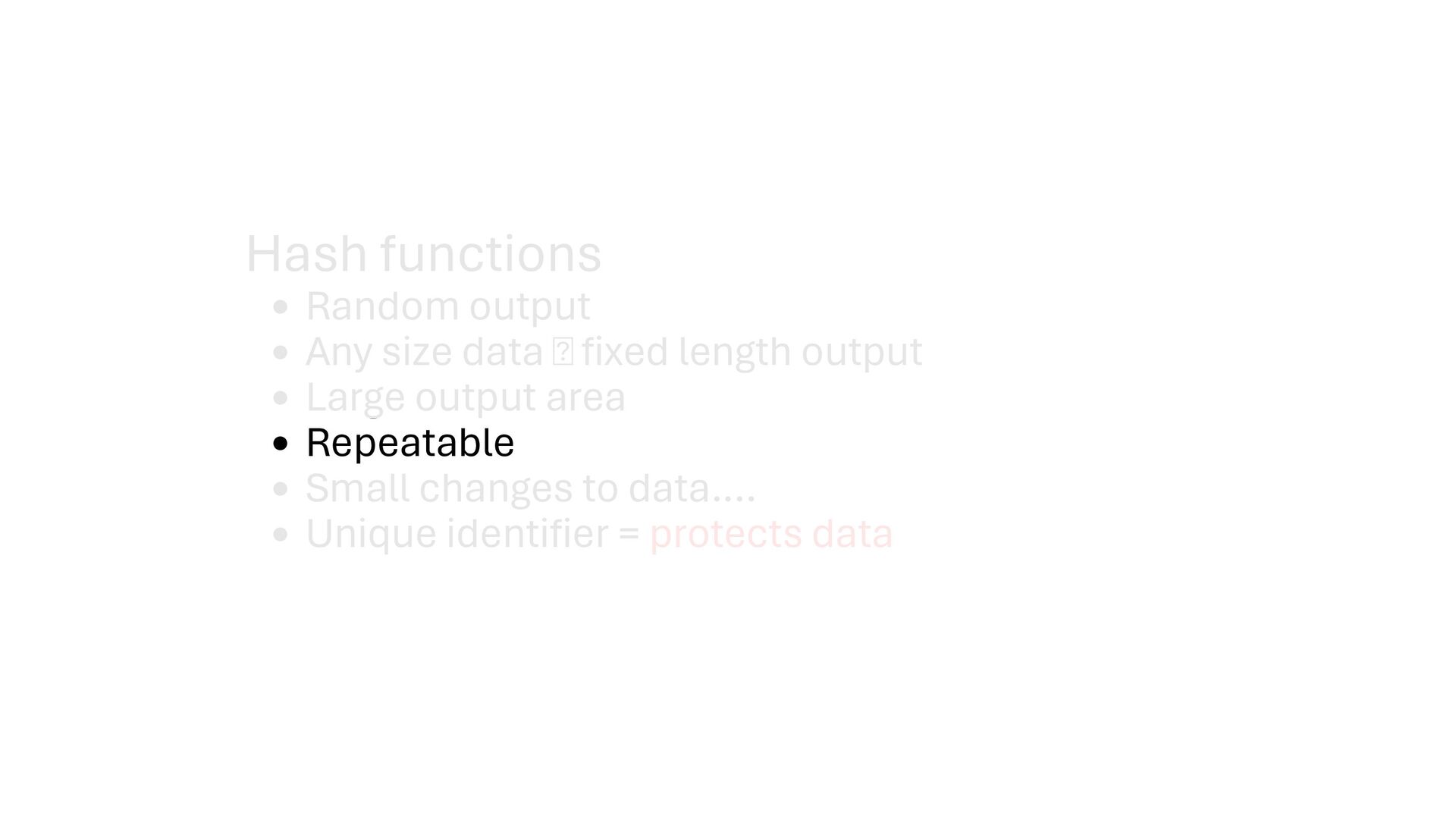
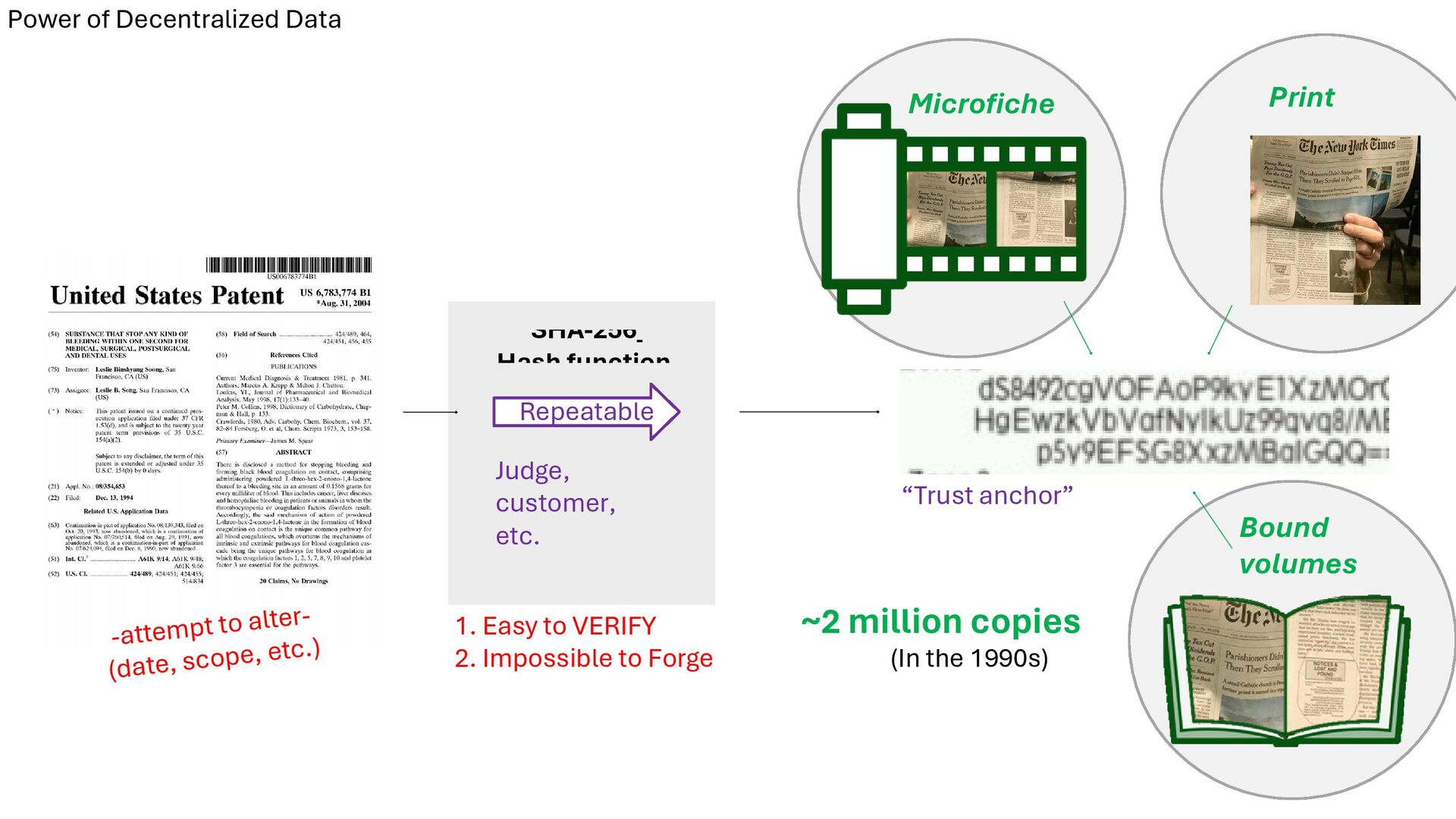
- Repeatable: same data produces same hash
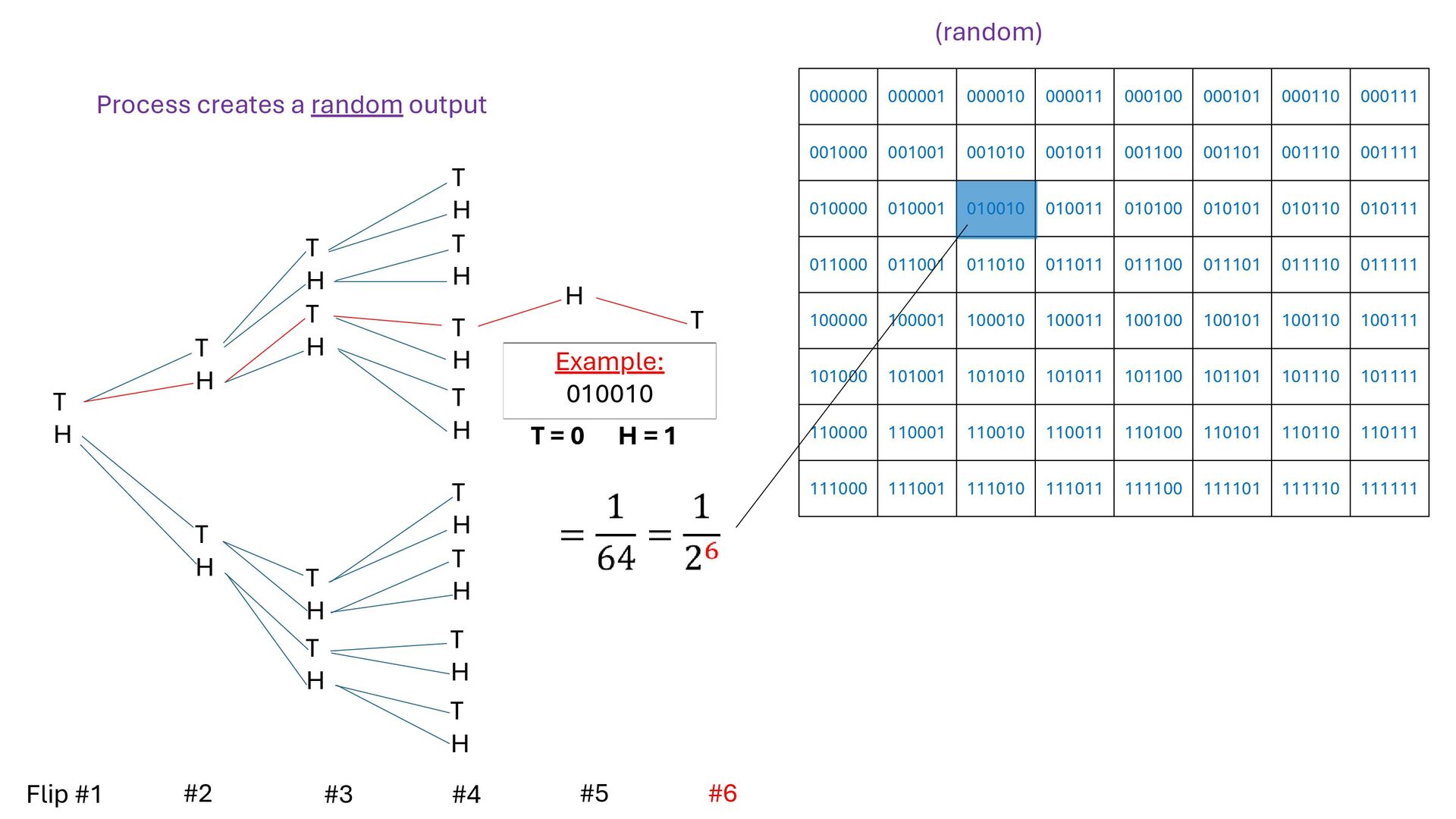
- Non-predictable: cannot predict output from input
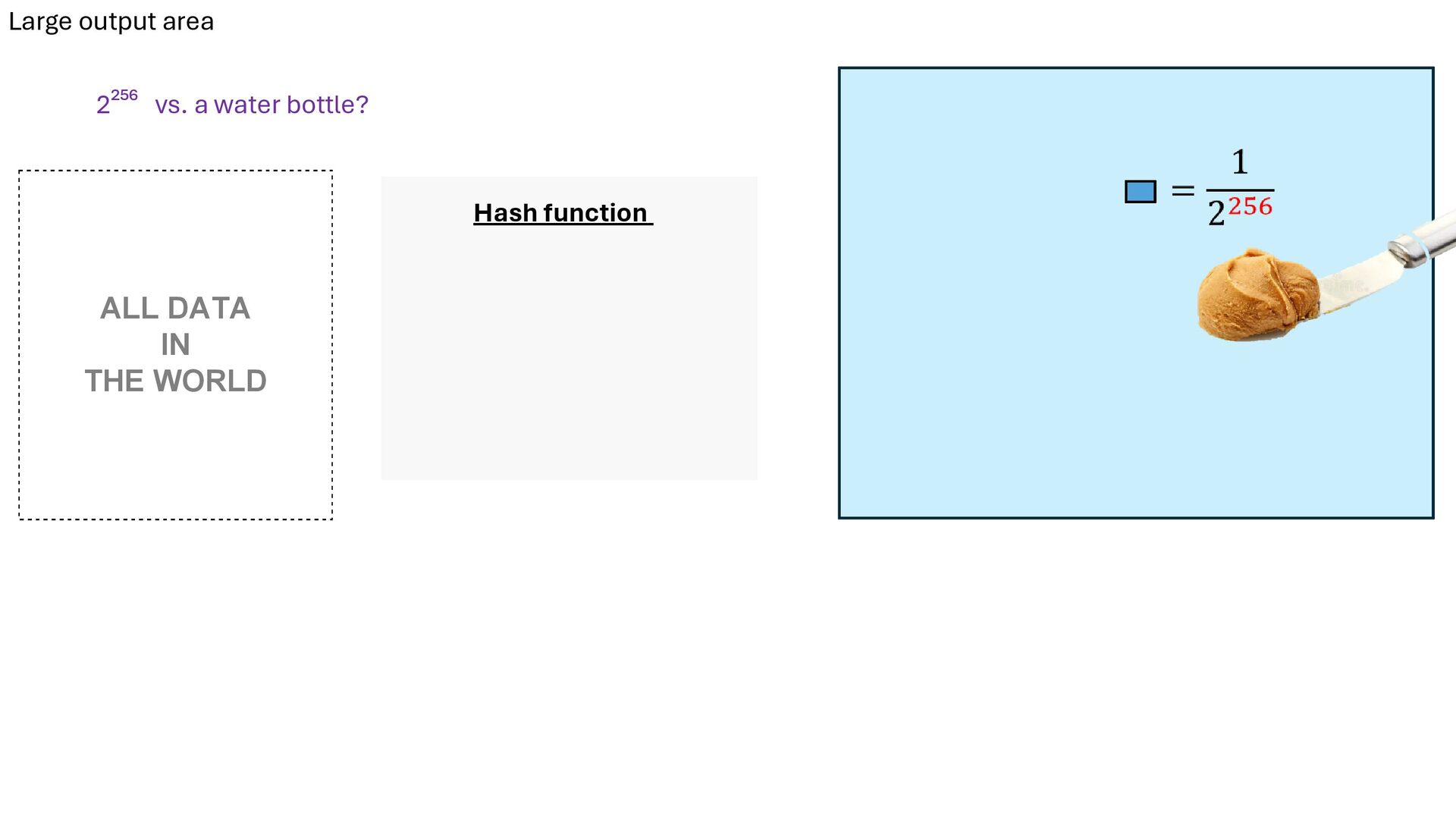
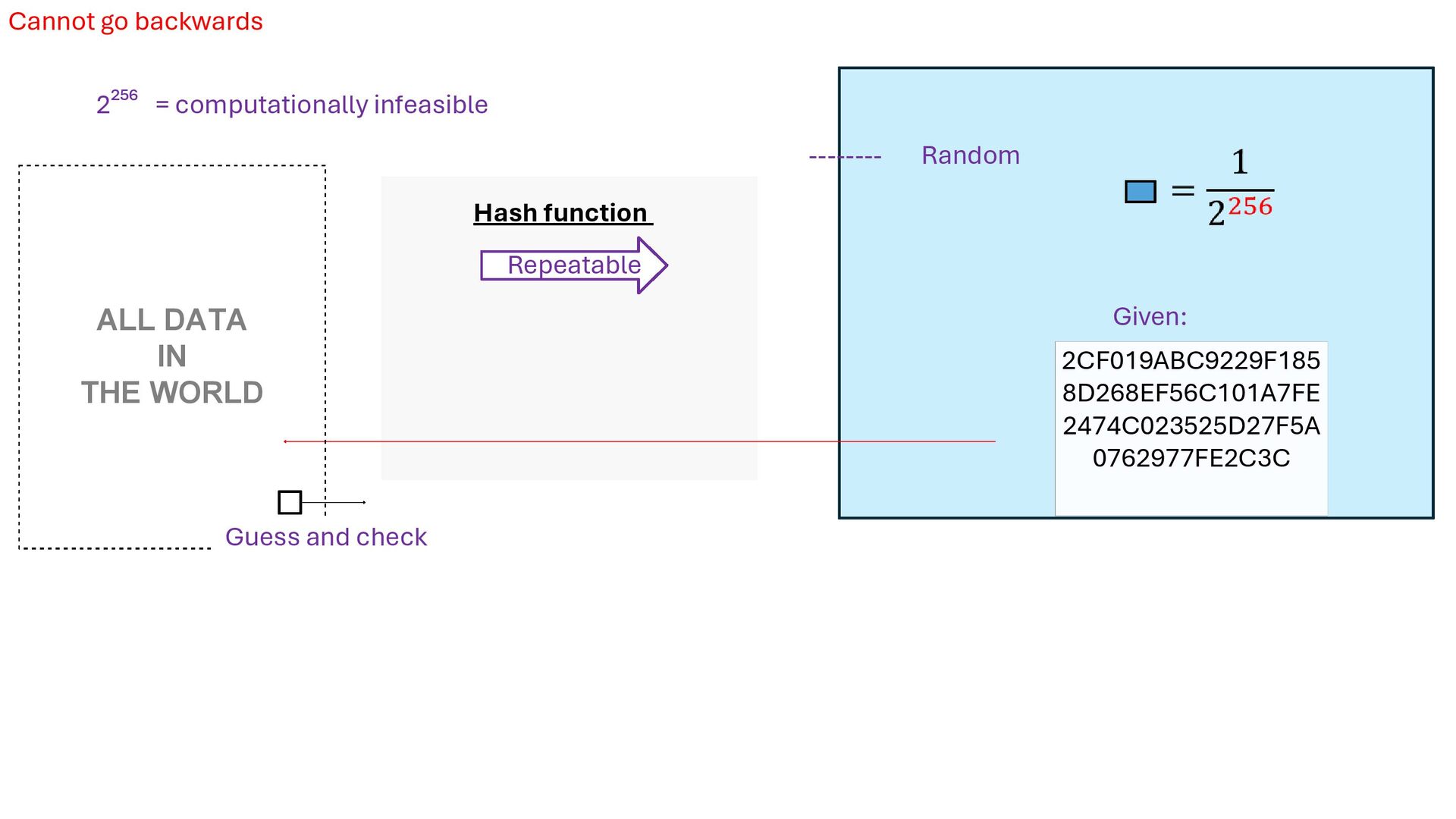
- One-Way Function: computationally infeasible to reverse (2^256 possibilities)
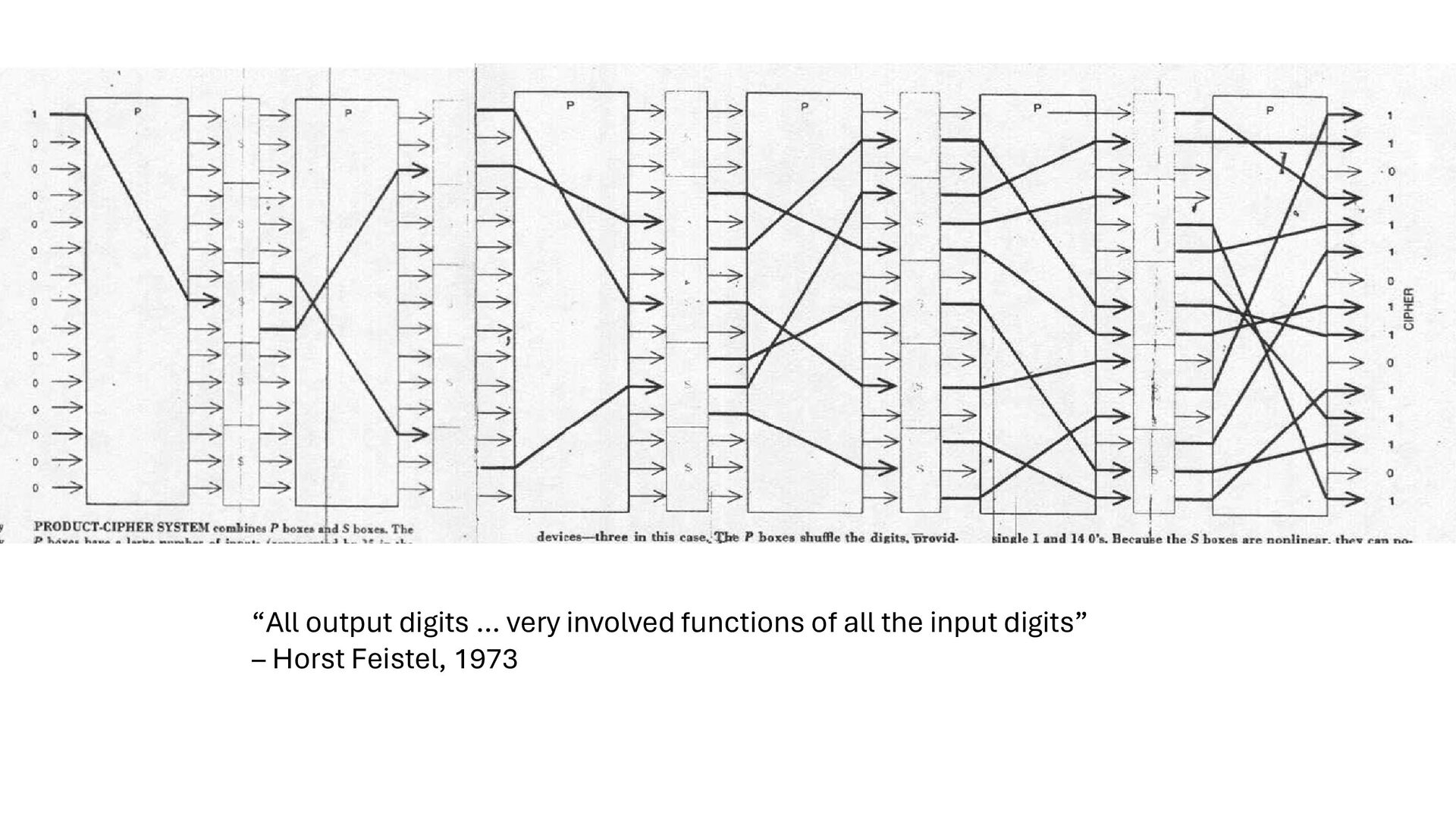
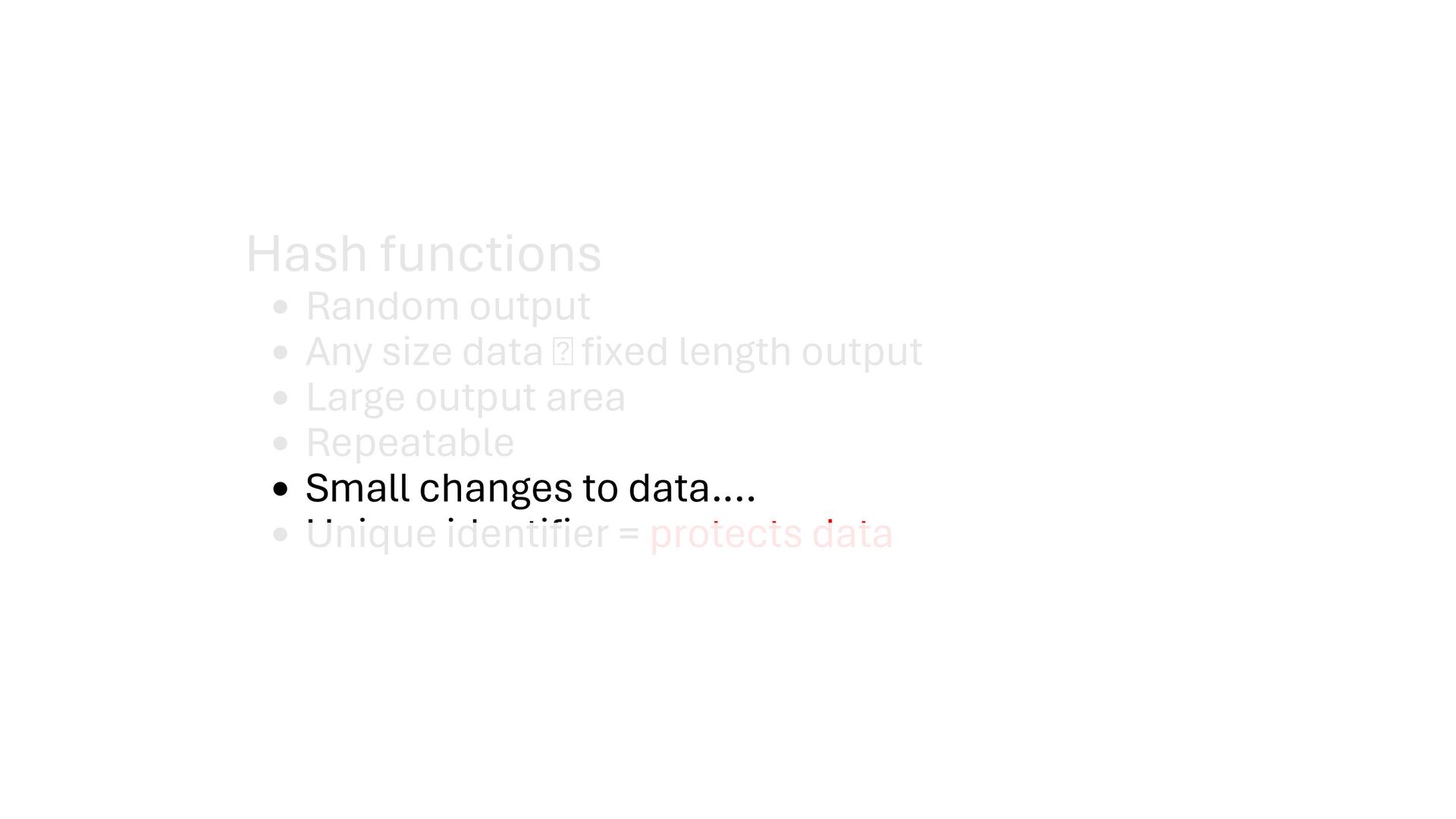
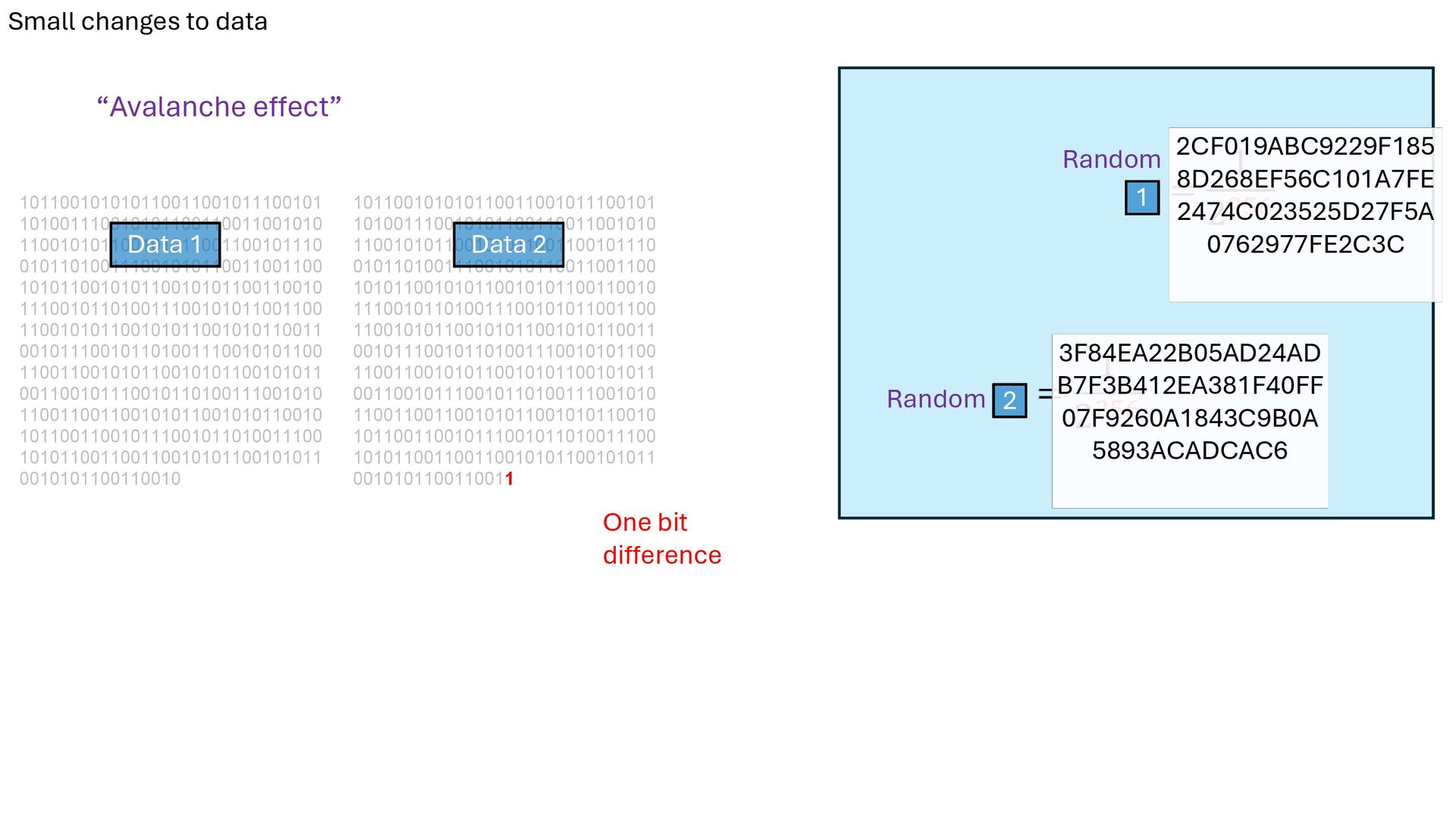
- Avalanche Effect: single bit change creates entirely different output
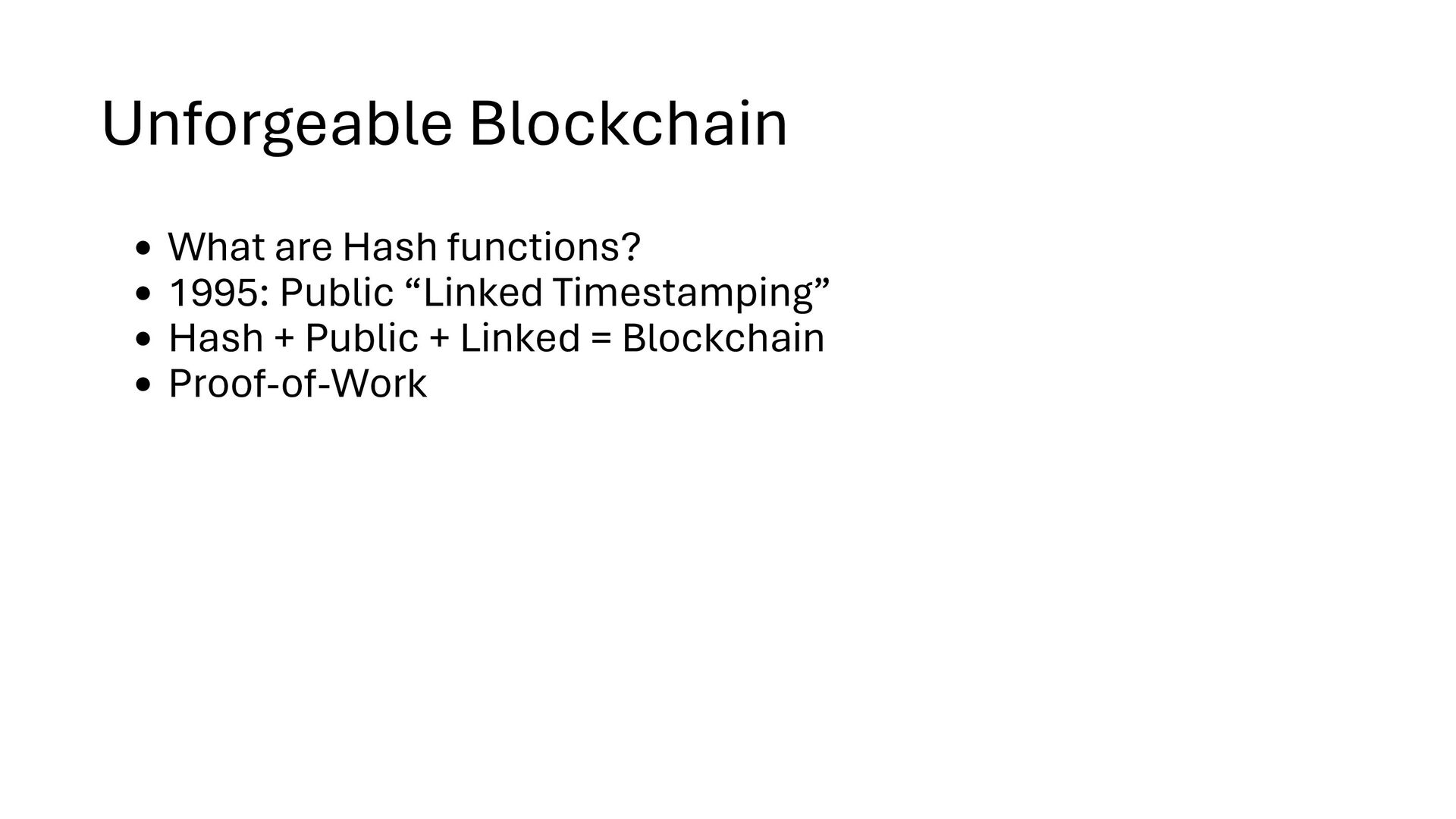
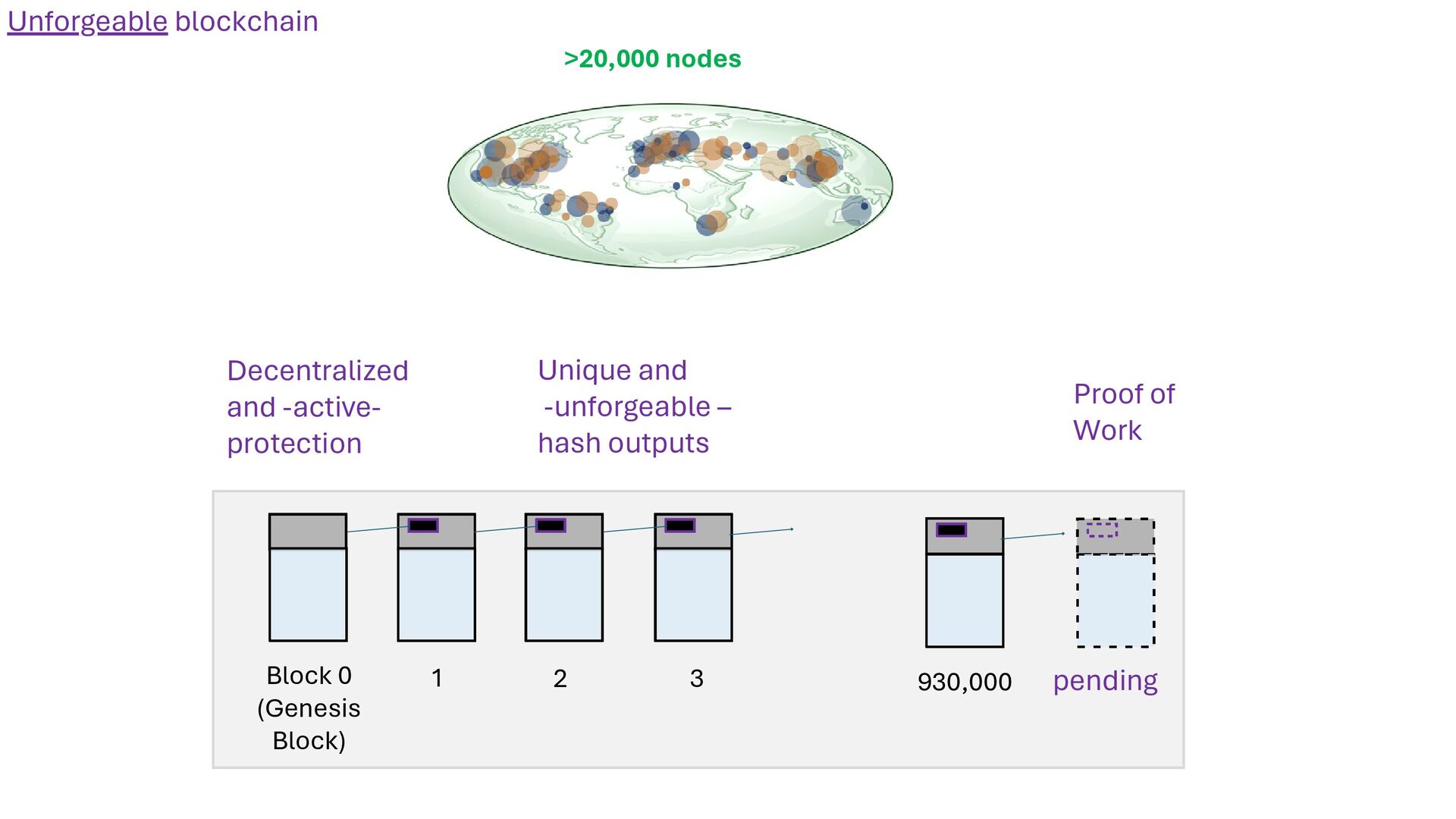
2. The Unforgeable Blockchain
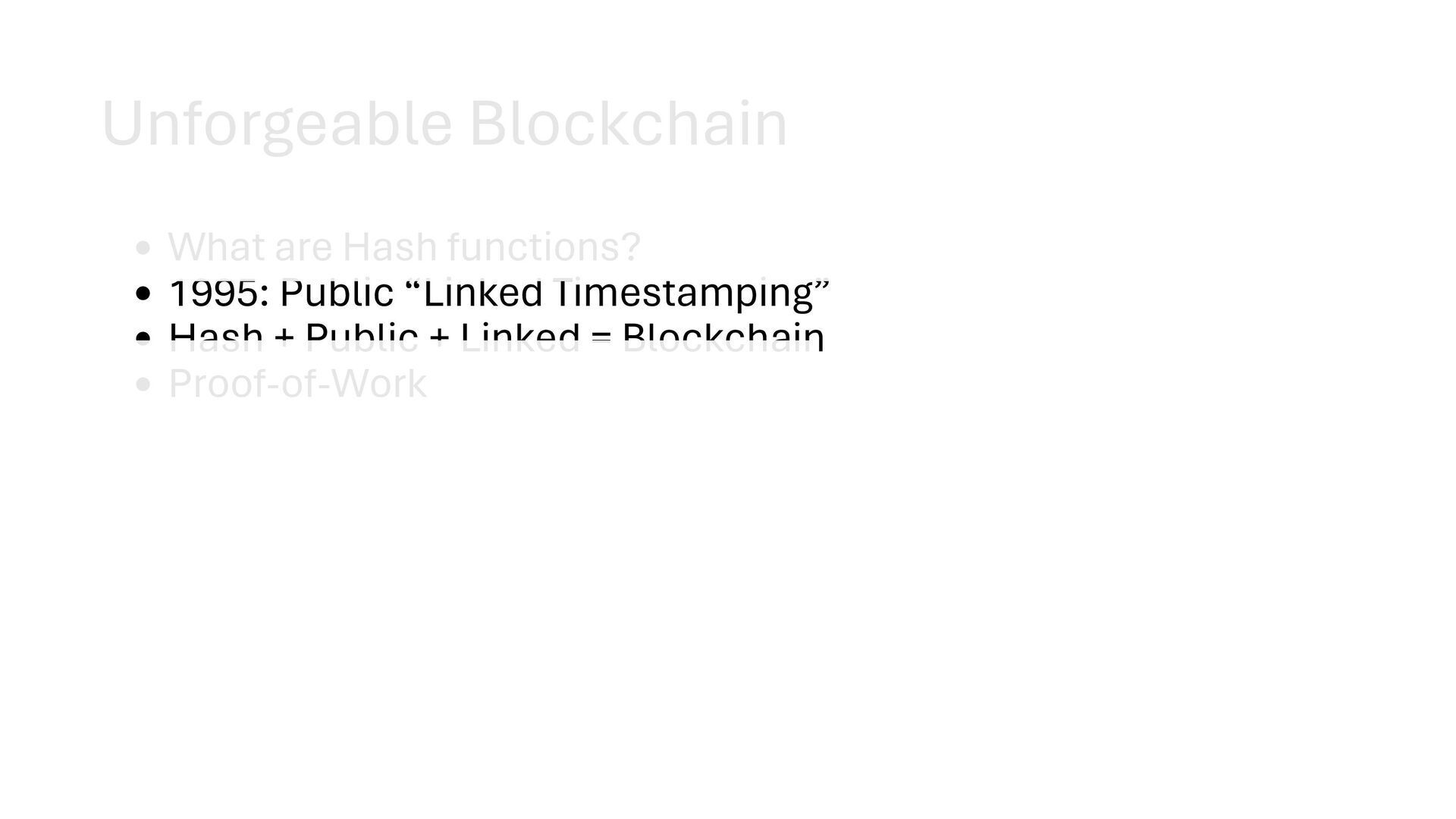
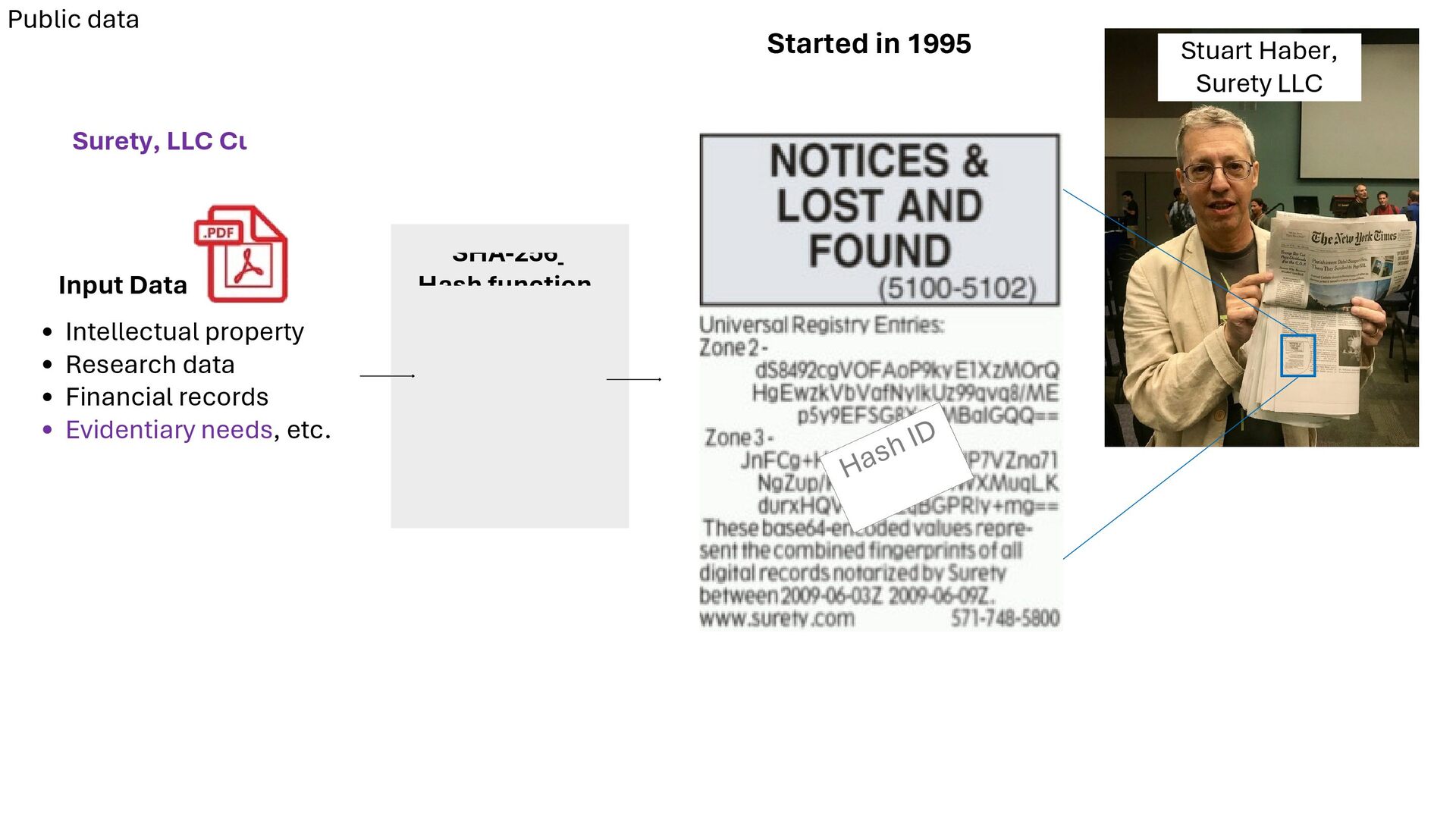
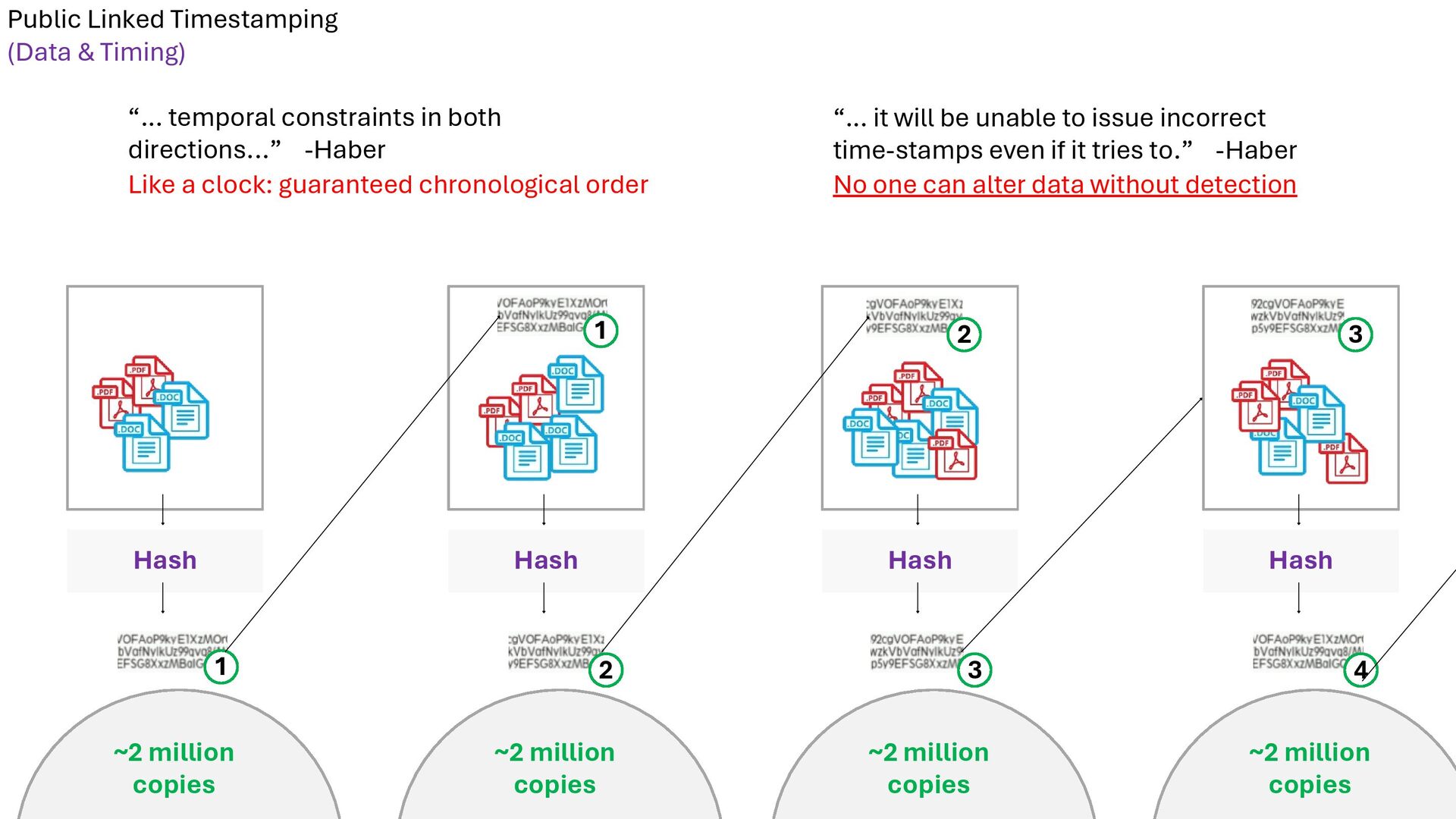
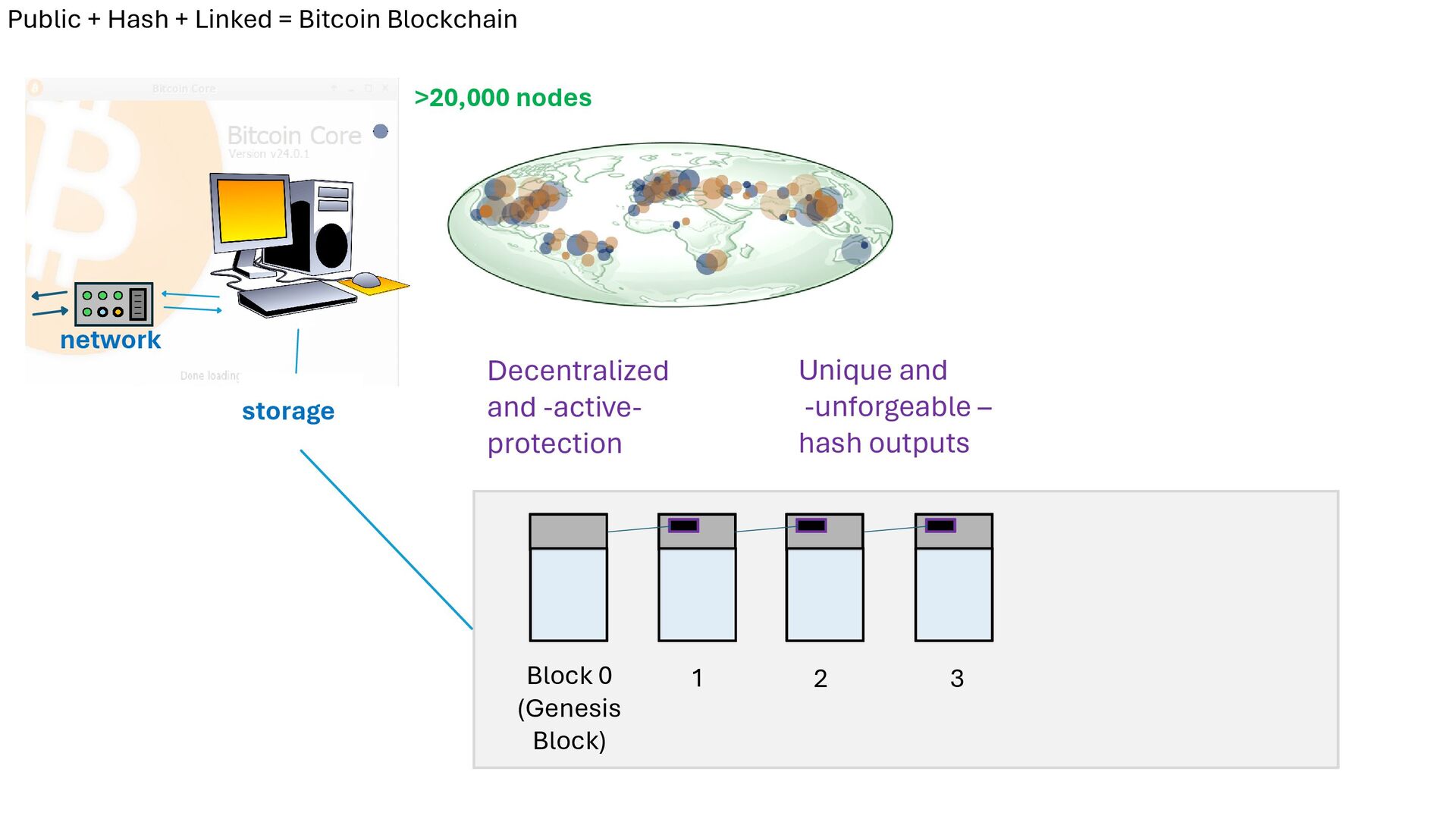
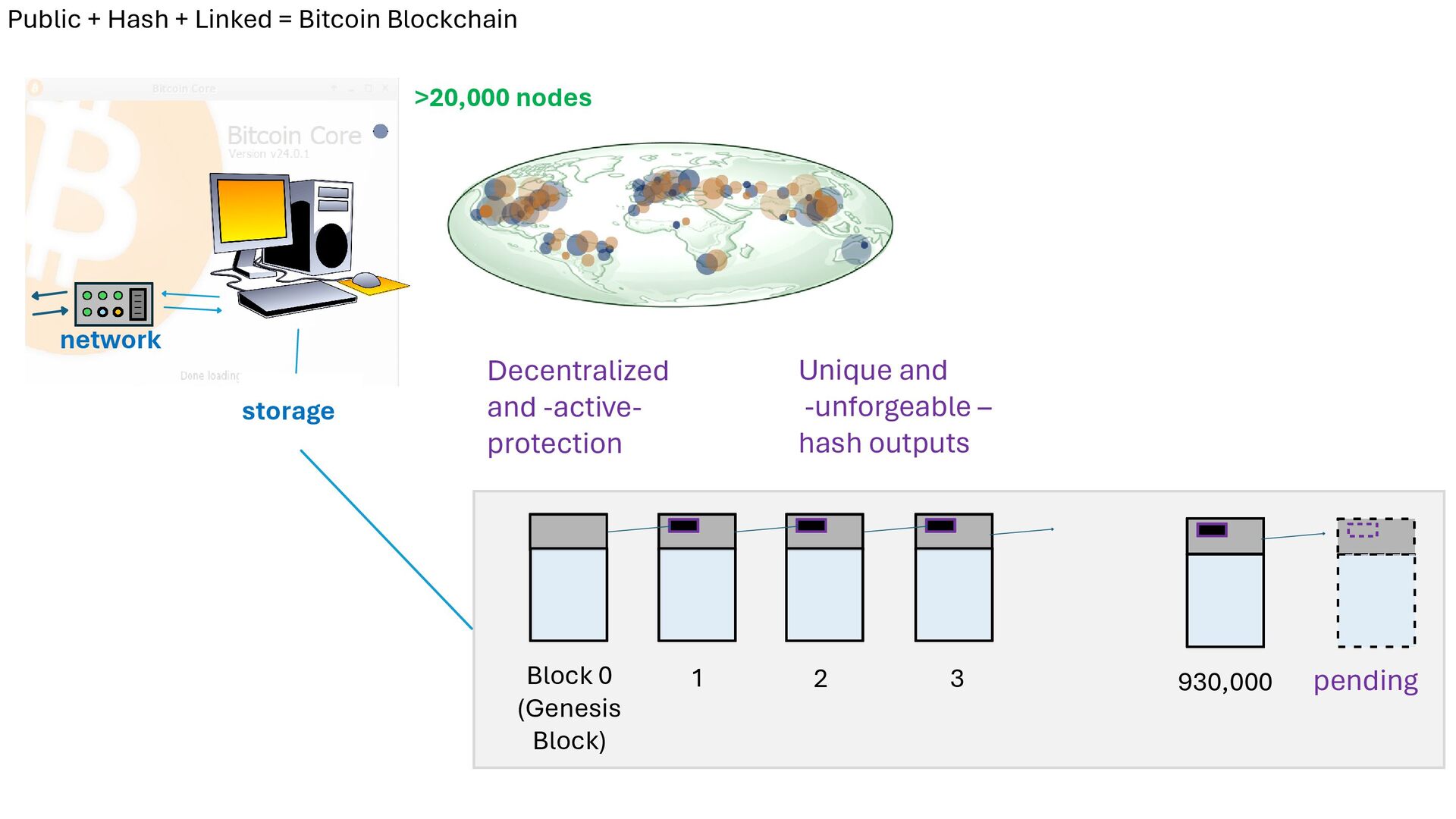
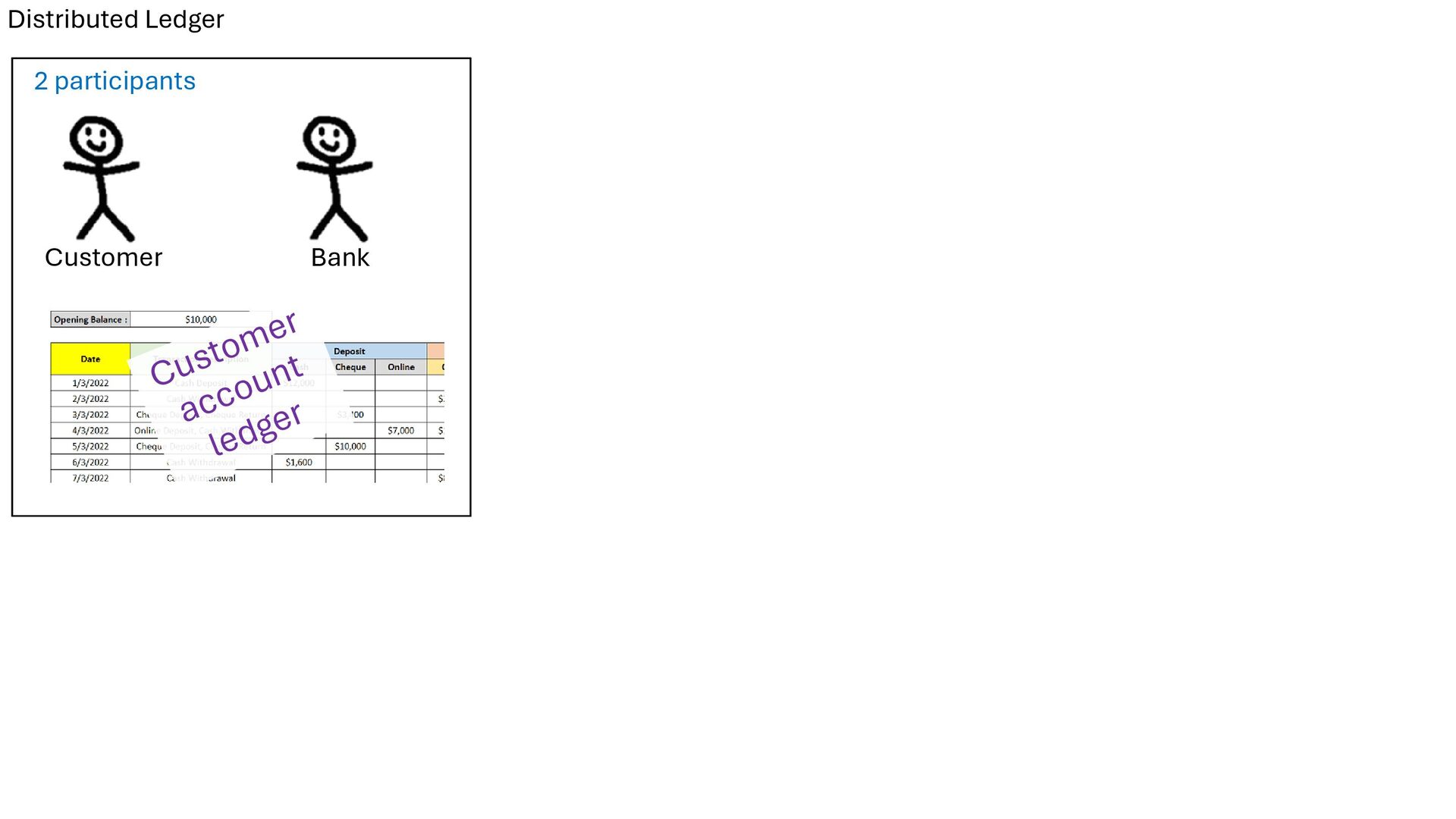
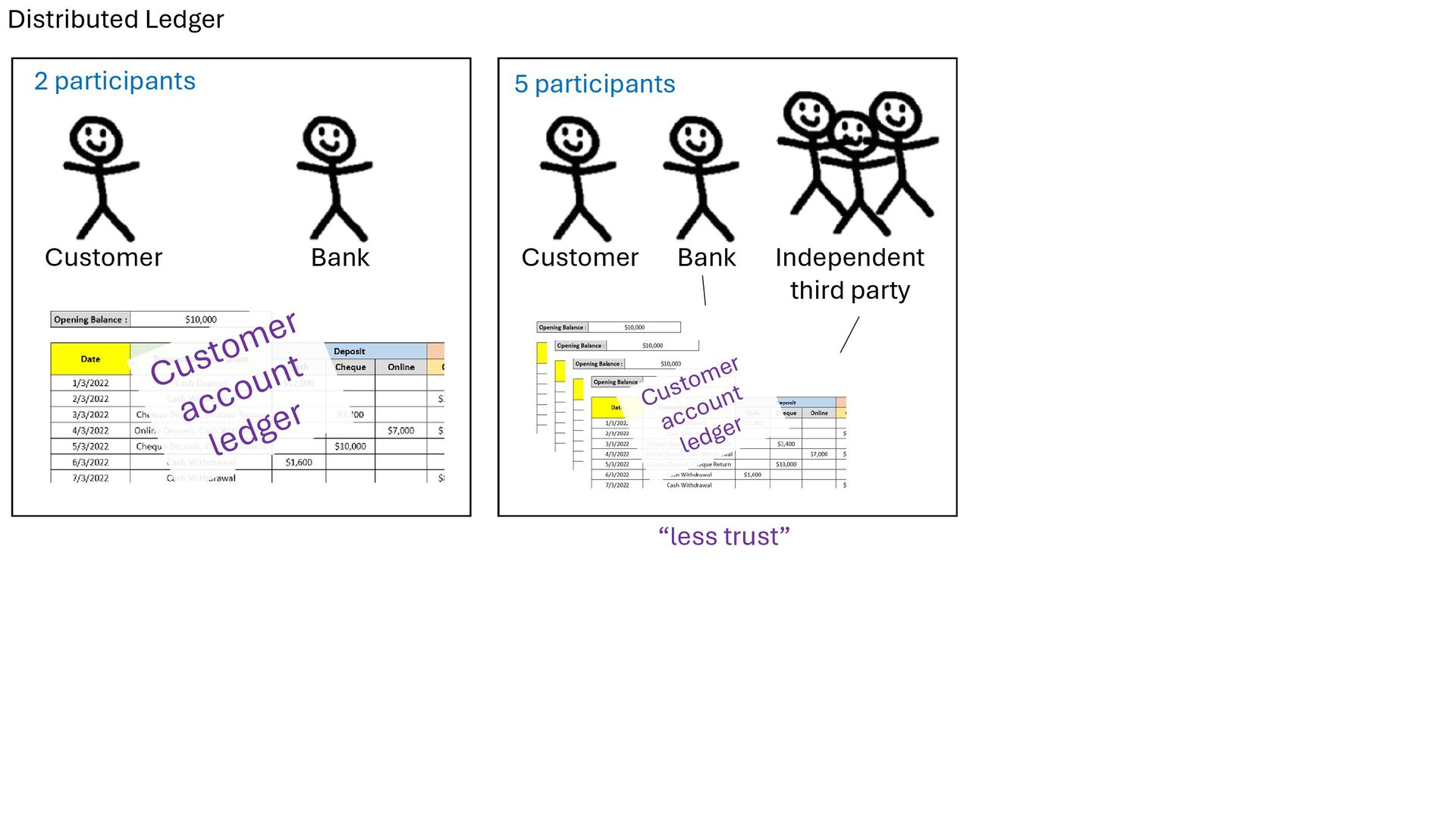
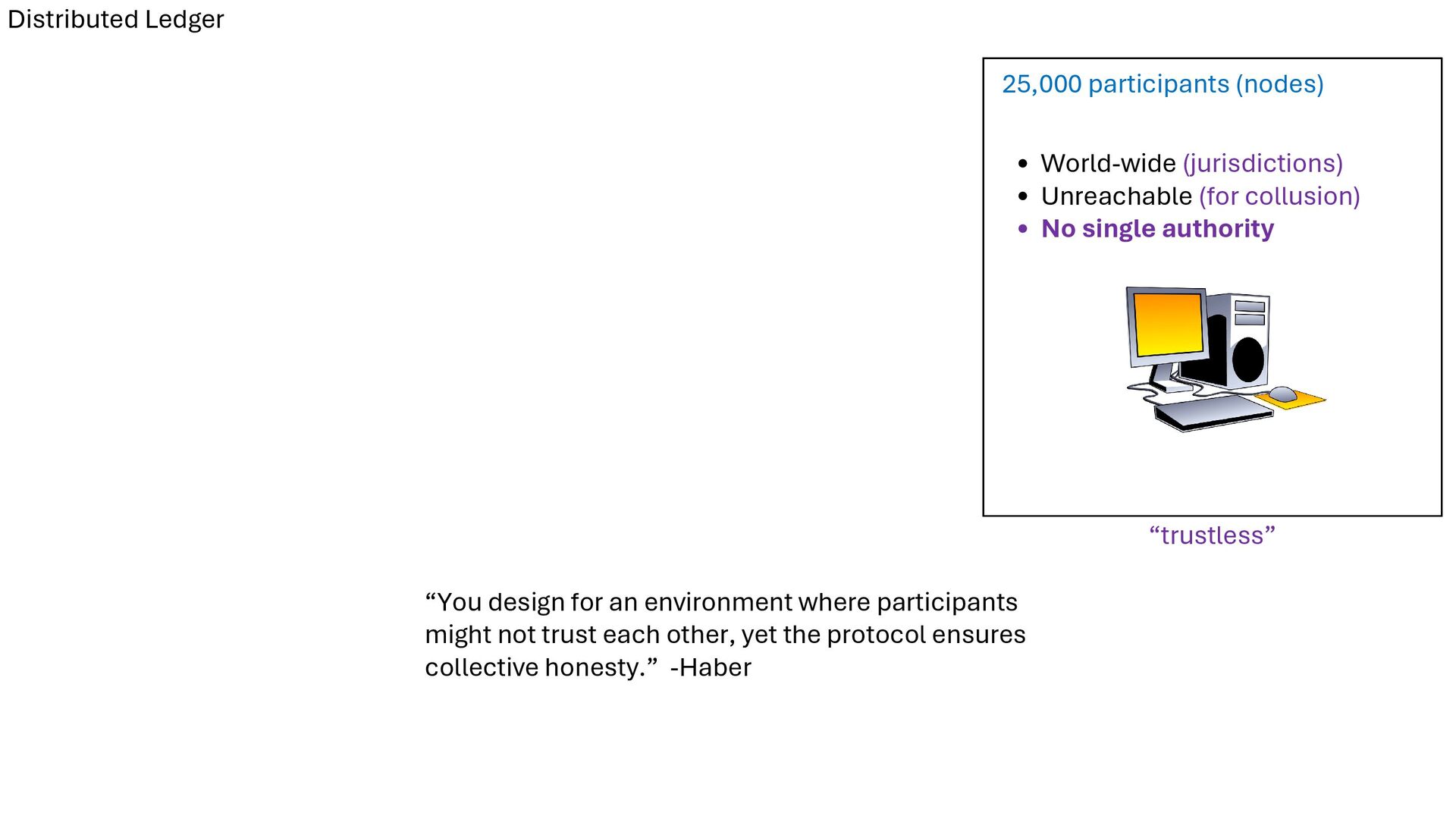
- Historical Context: Stuart Haber and Surety LLC started "Linked Timestamping" in 1995, publishing hashes in the New York Times as a "trust anchor"
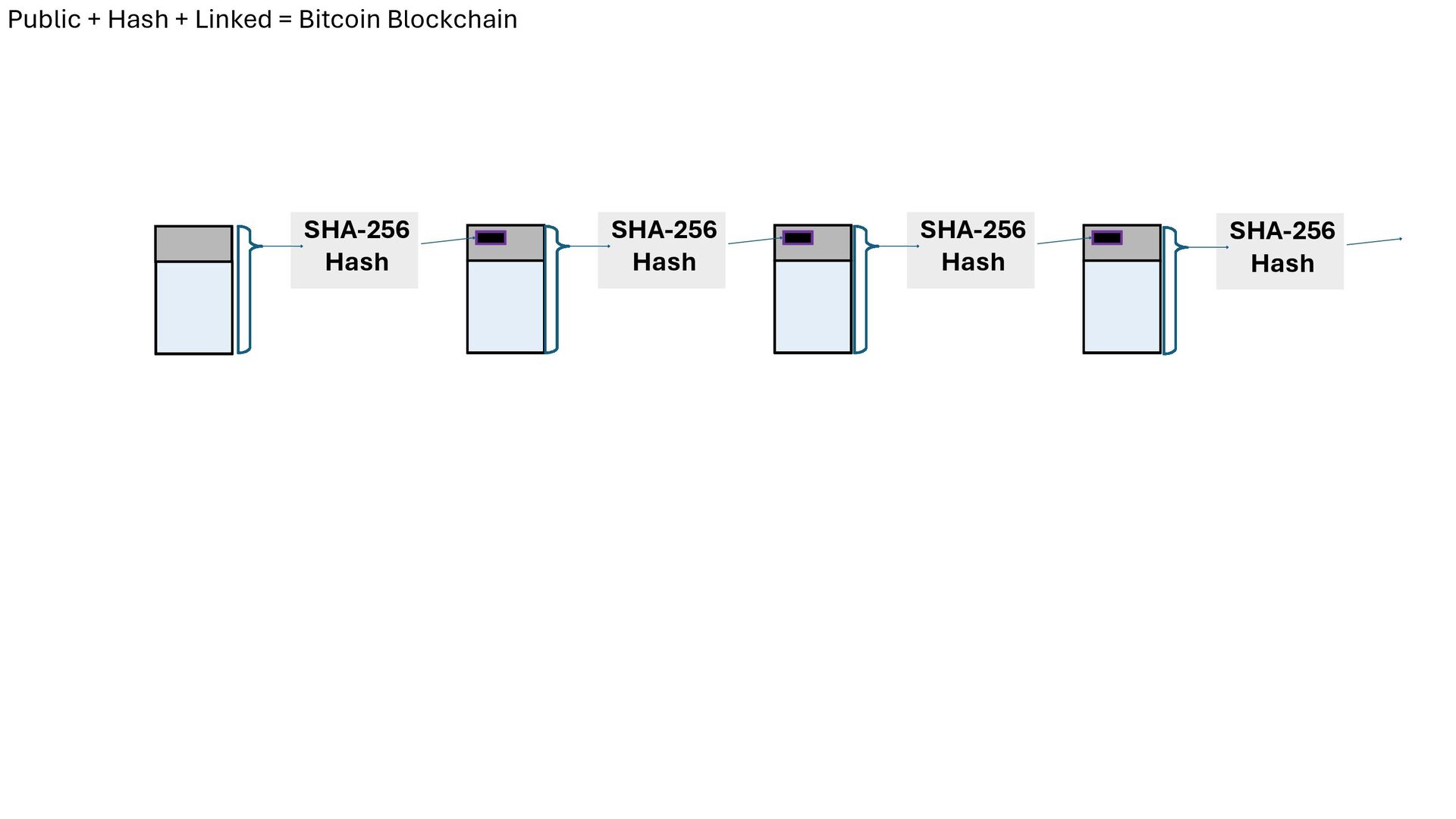
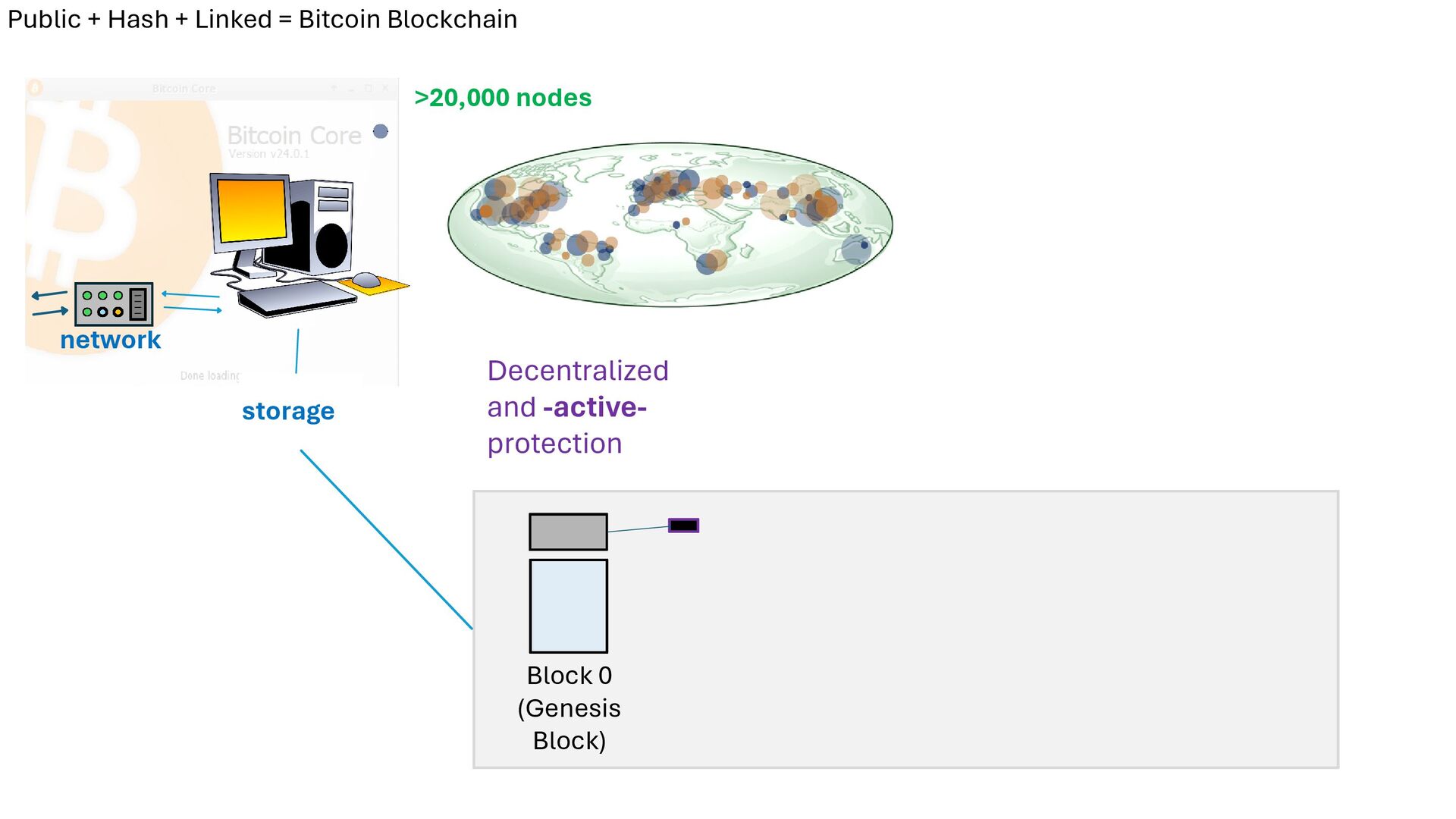
- Formula: Hash + Public + Linked = Blockchain
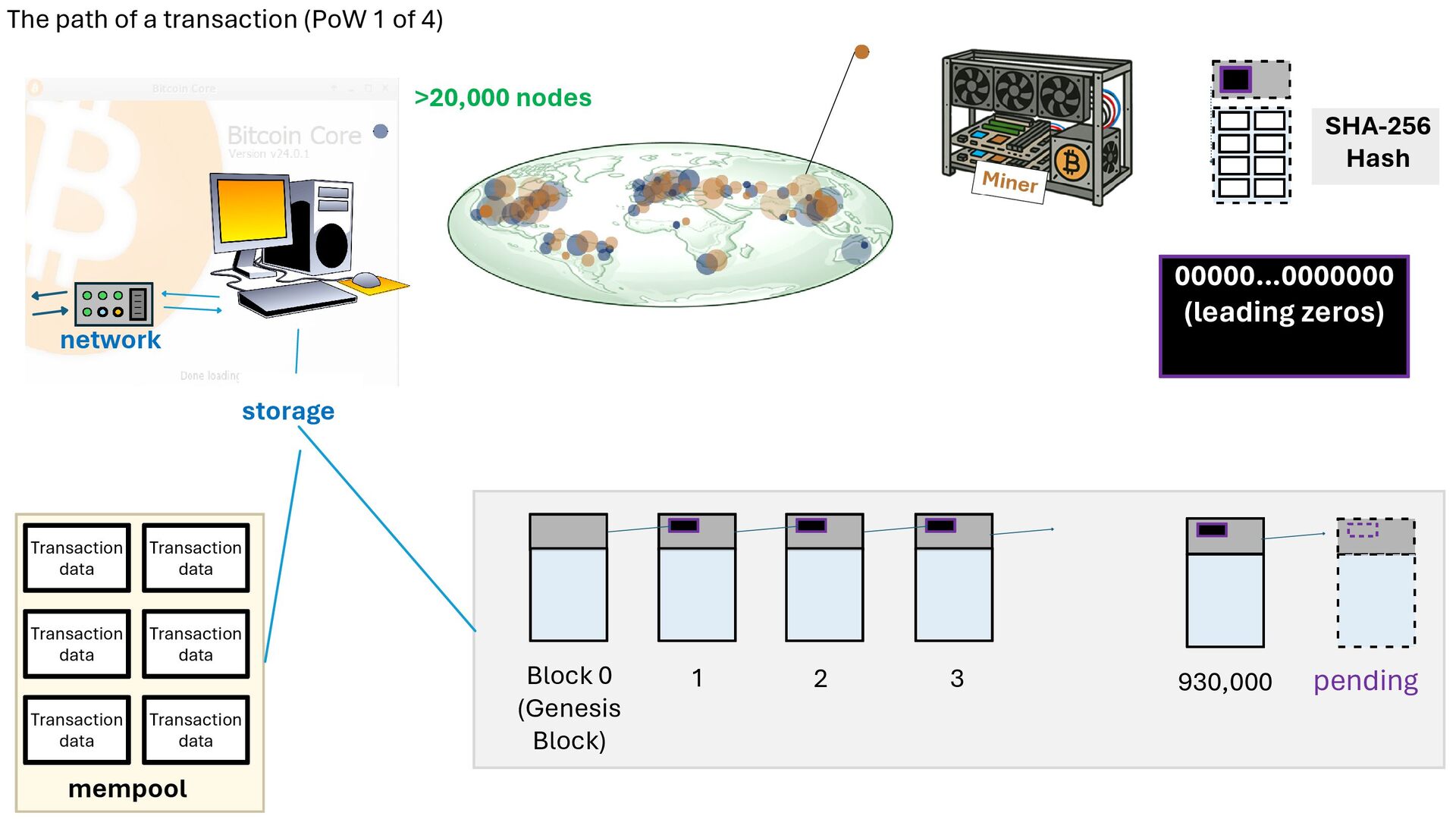
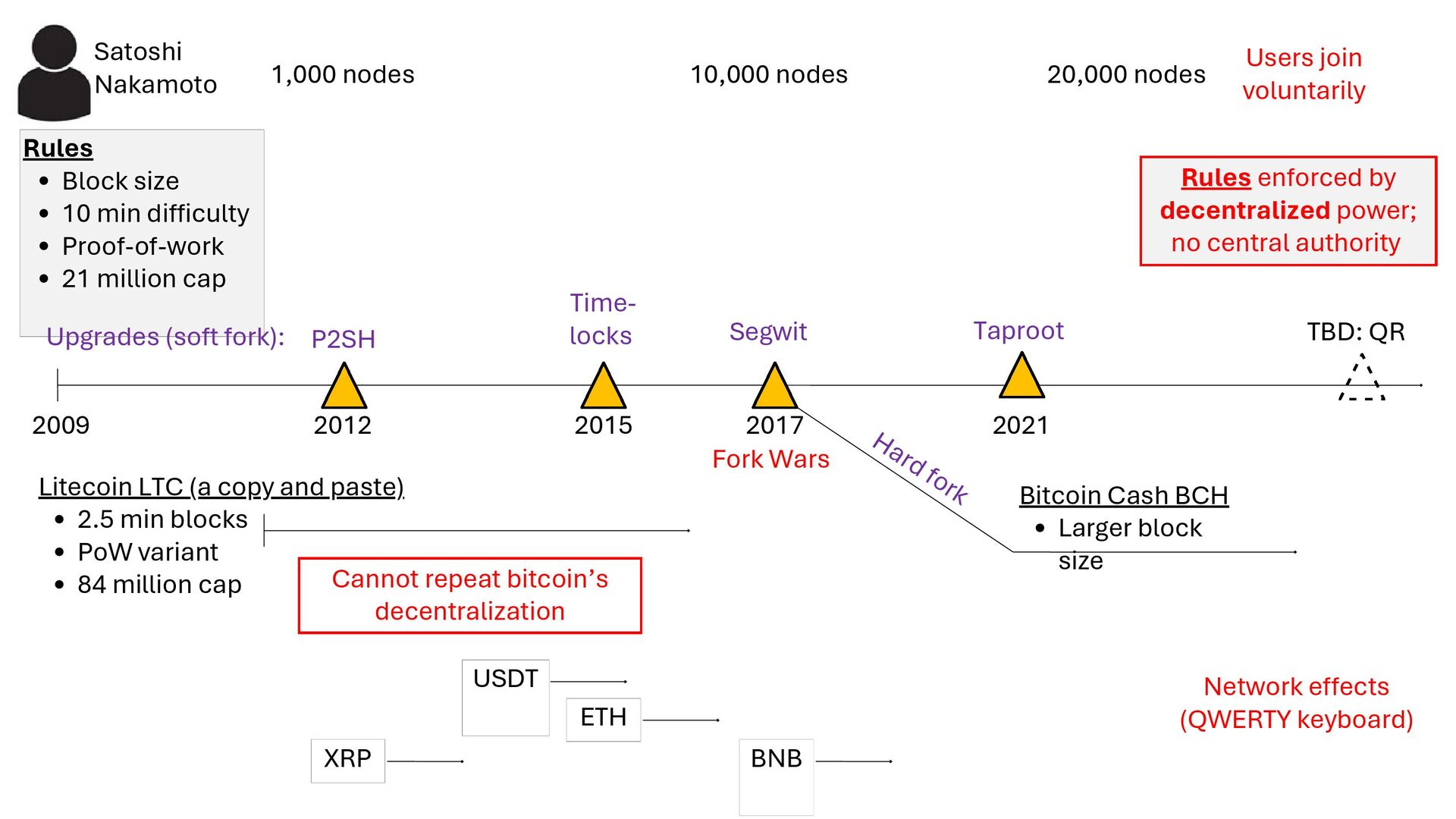
- Decentralization: Bitcoin utilizes >20,000 nodes for active decentralized protection
3. Proof-of-Work (PoW)
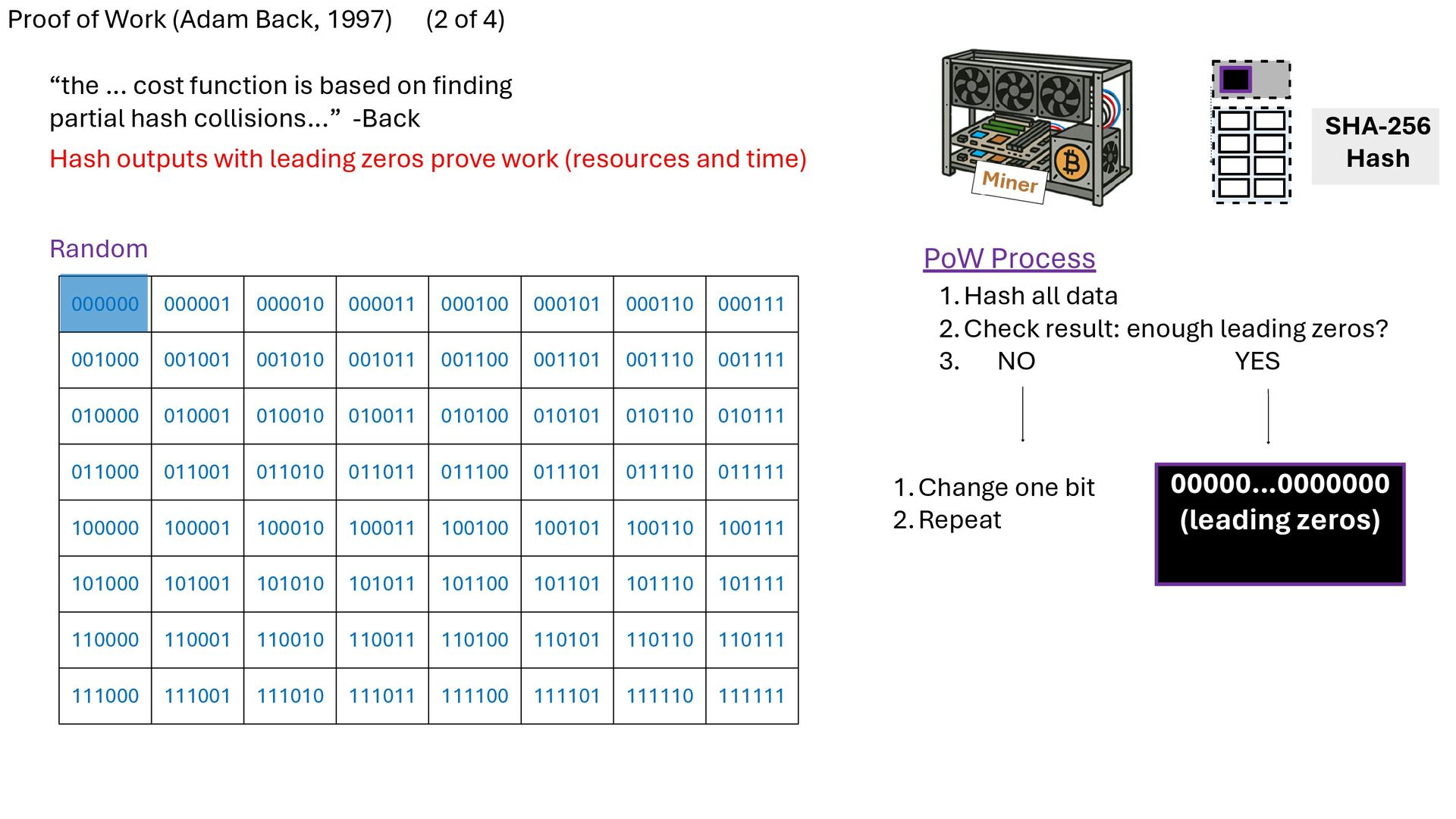
- Hash all data in a block
- Check if result has enough leading zeros
- If NO: change nonce and repeat
- If YES: broadcast valid block to network
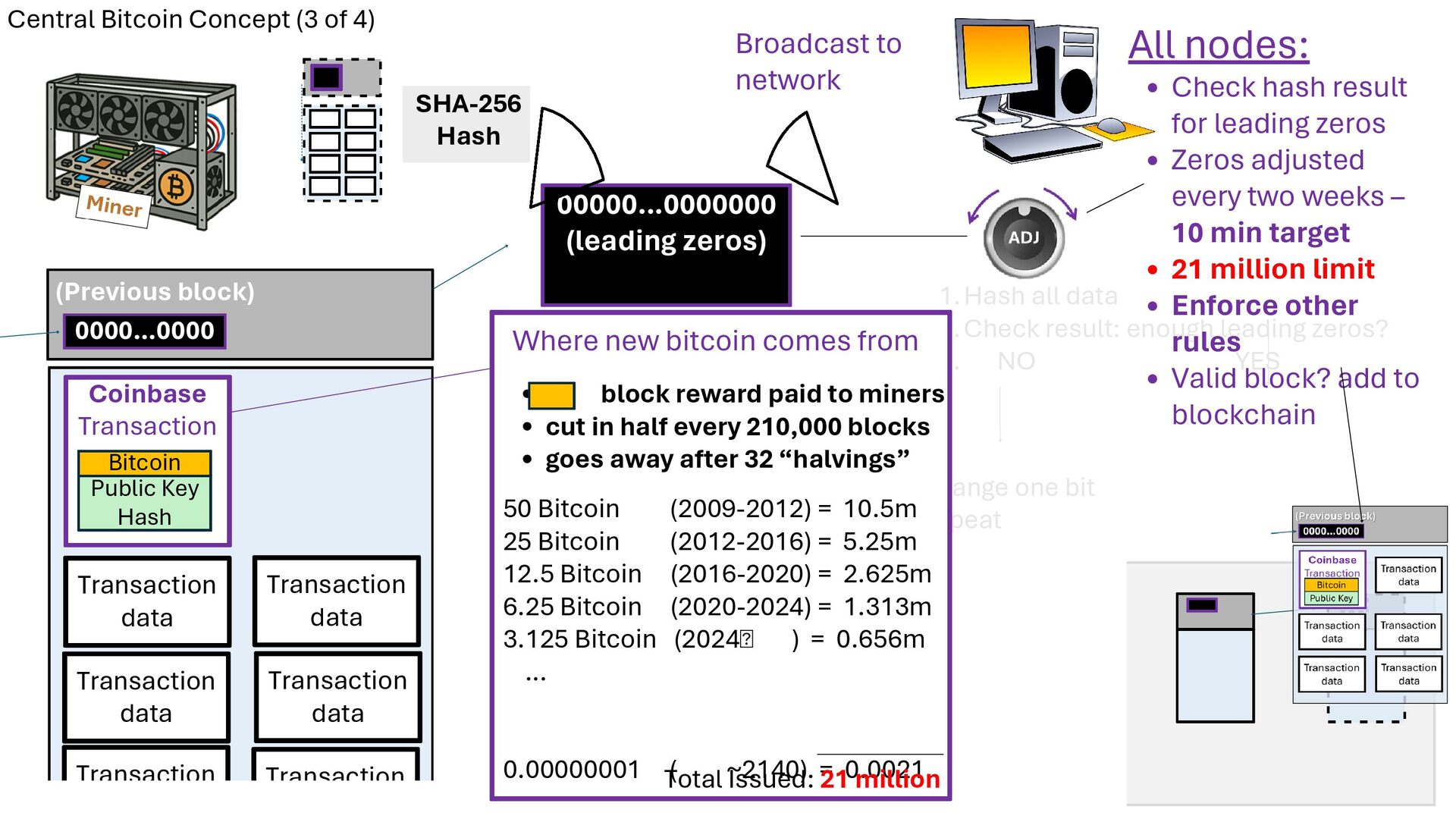
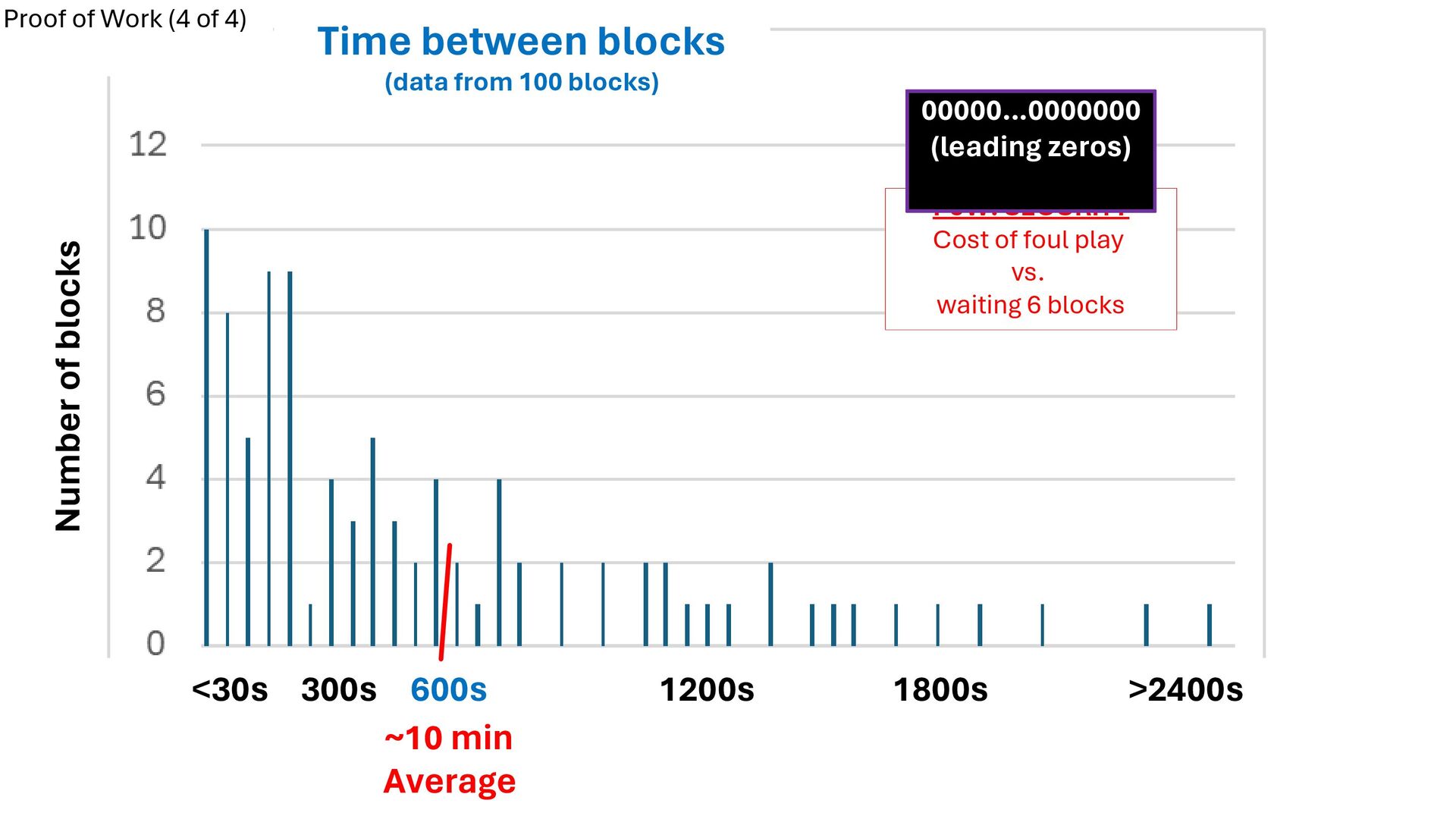
- Target Time: 10 minutes per block (difficulty adjusts every two weeks)
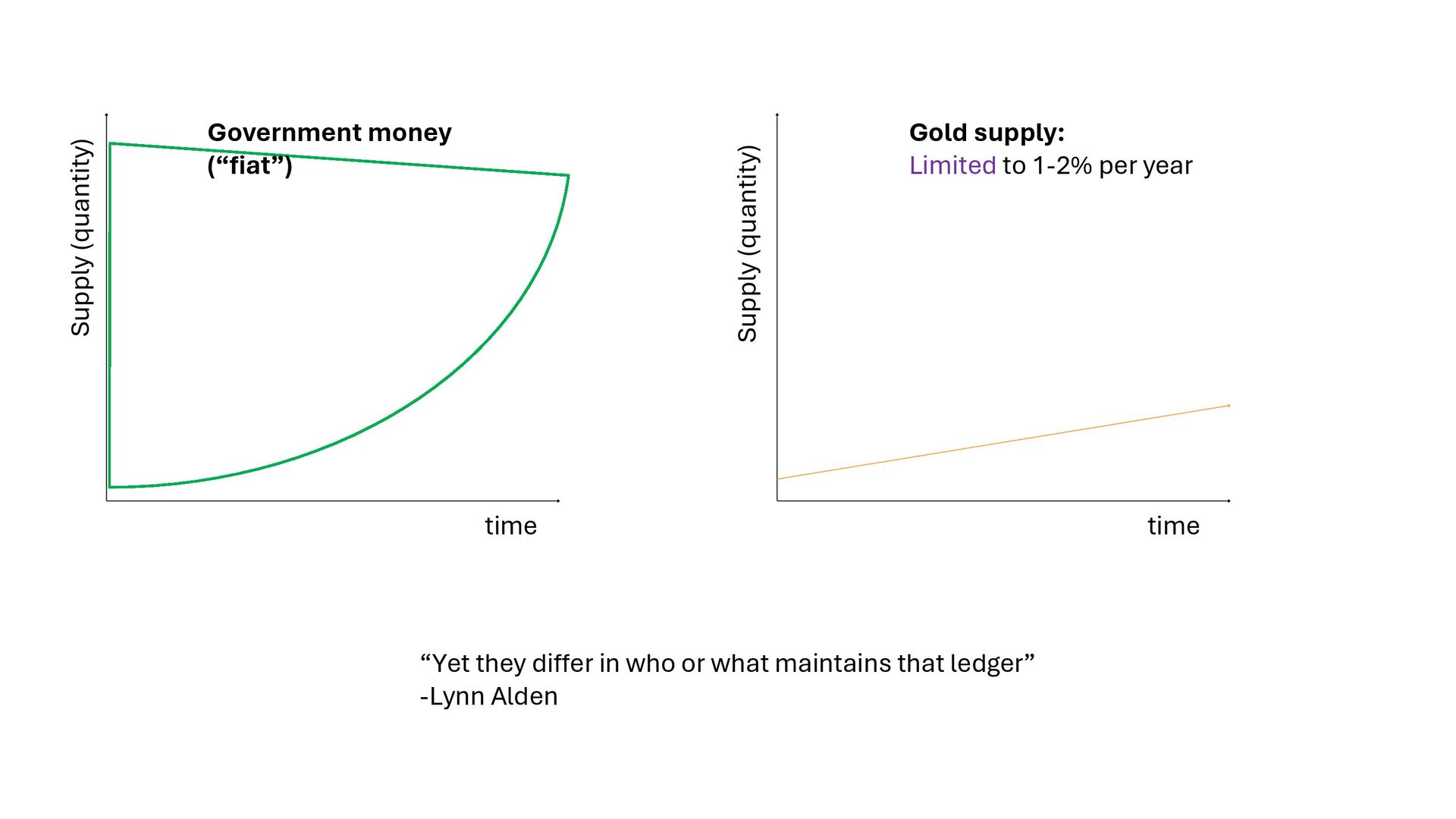
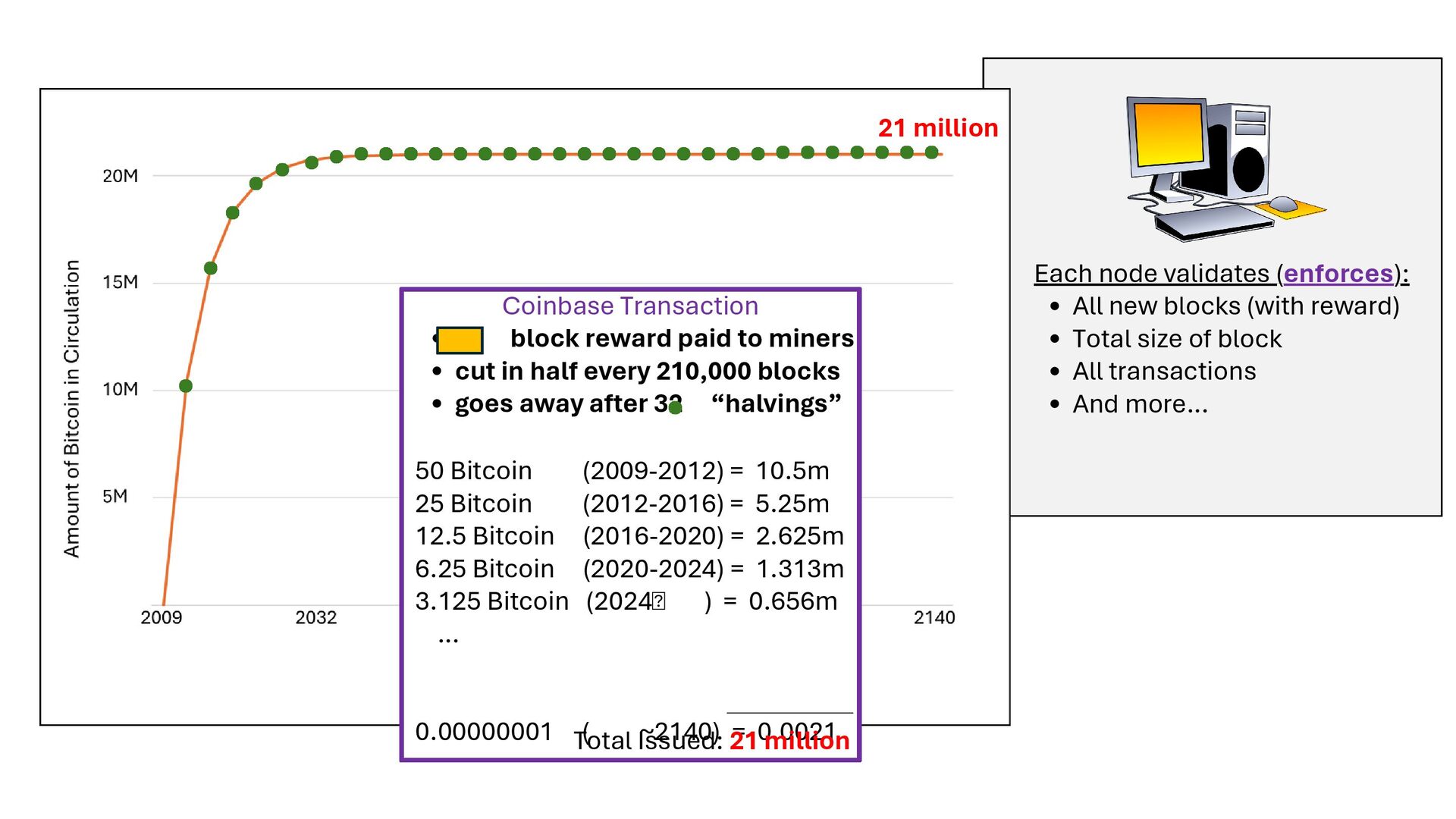
- Supply Cap: strictly limited to 21 million bitcoin
Halving Schedule
| Era | Reward | Total Issued | | 2009-2012 | 50 BTC | 10.5m | | 2012-2016 | 25 BTC | 5.25m | | 2016-2020 | 12.5 BTC | 2.625m | | 2020-2024 | 6.25 BTC | 1.313m | | 2024-Present | 3.125 BTC | 0.656m |
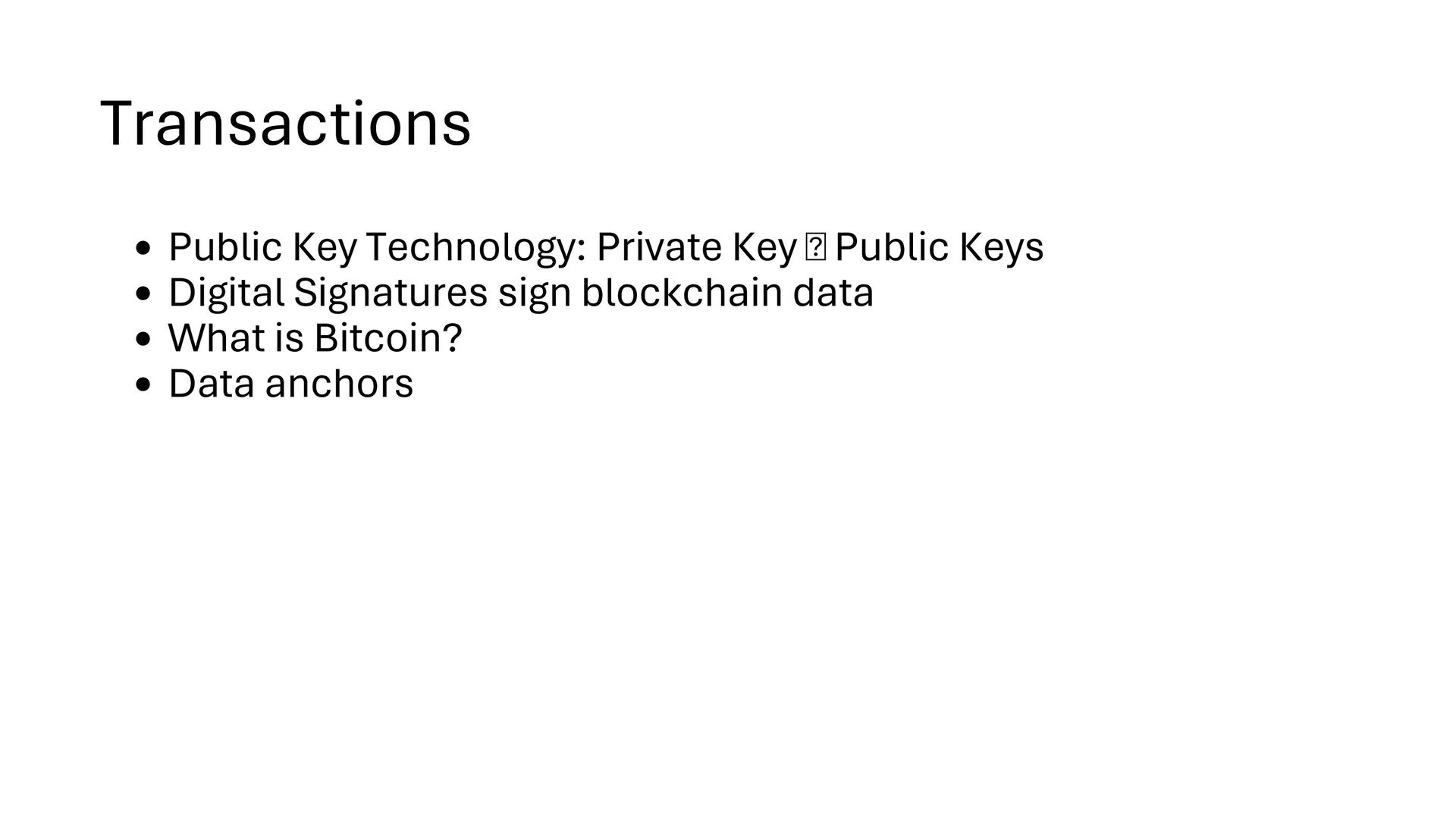
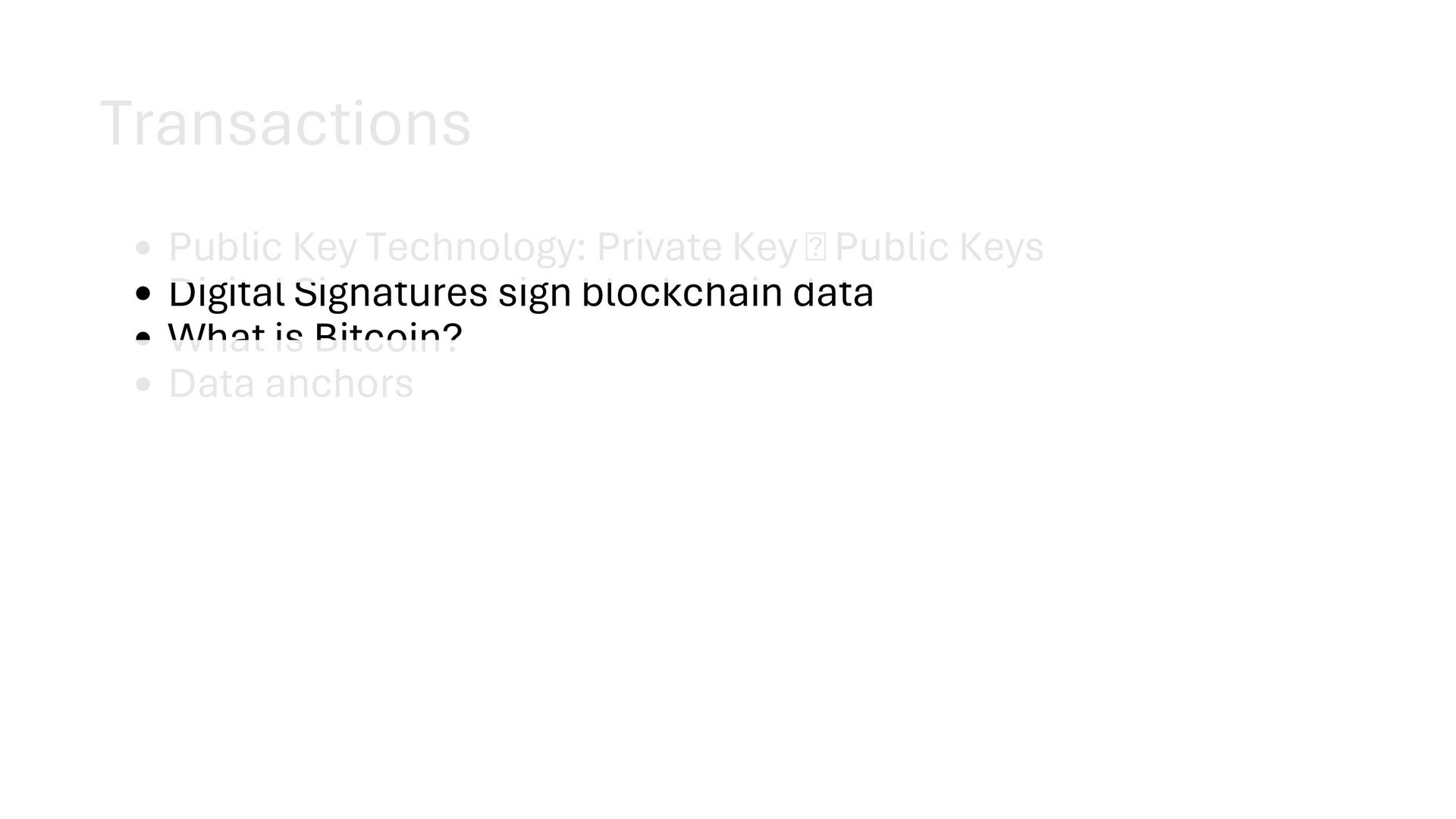
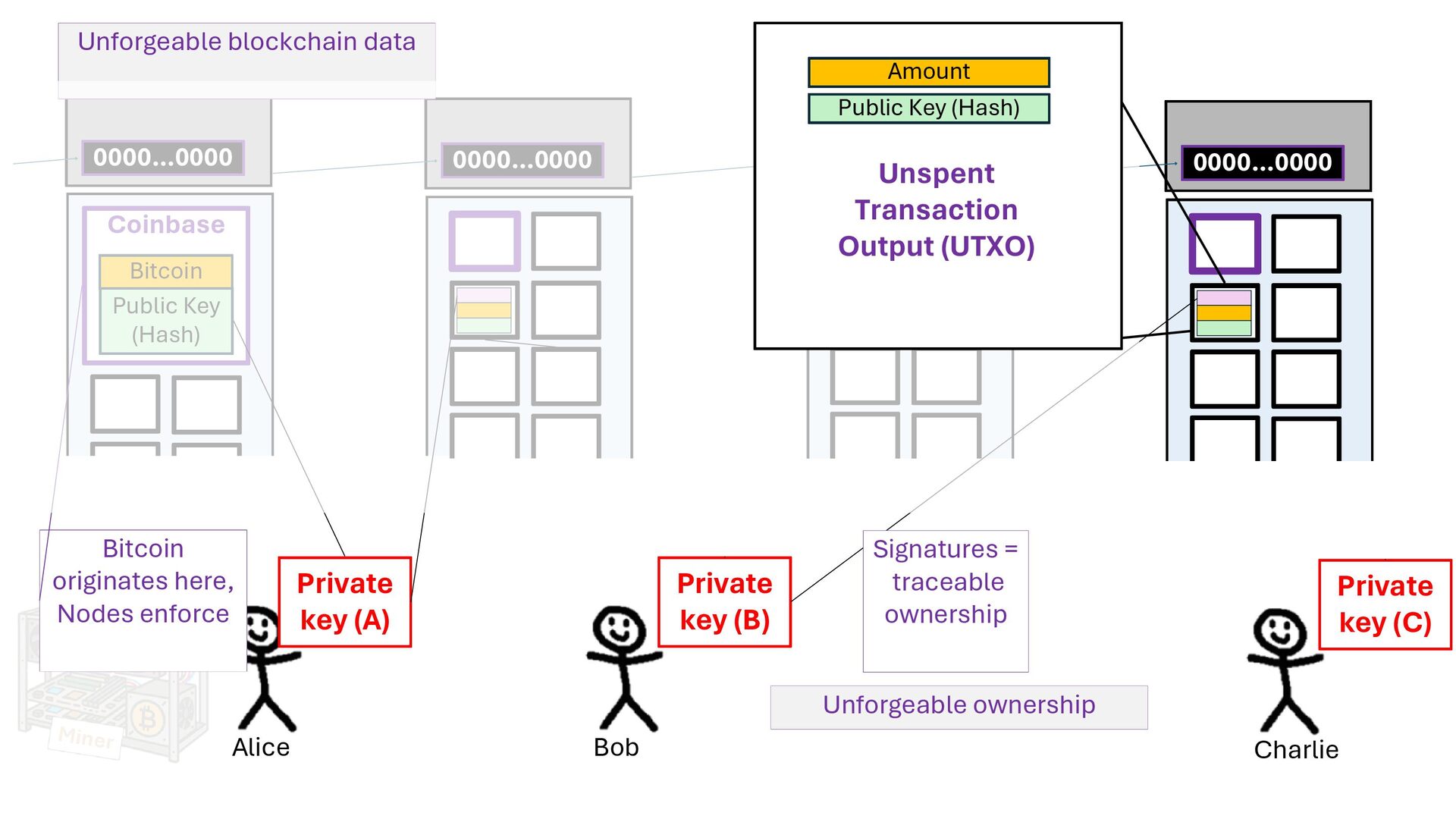
4. Transactions and Ownership
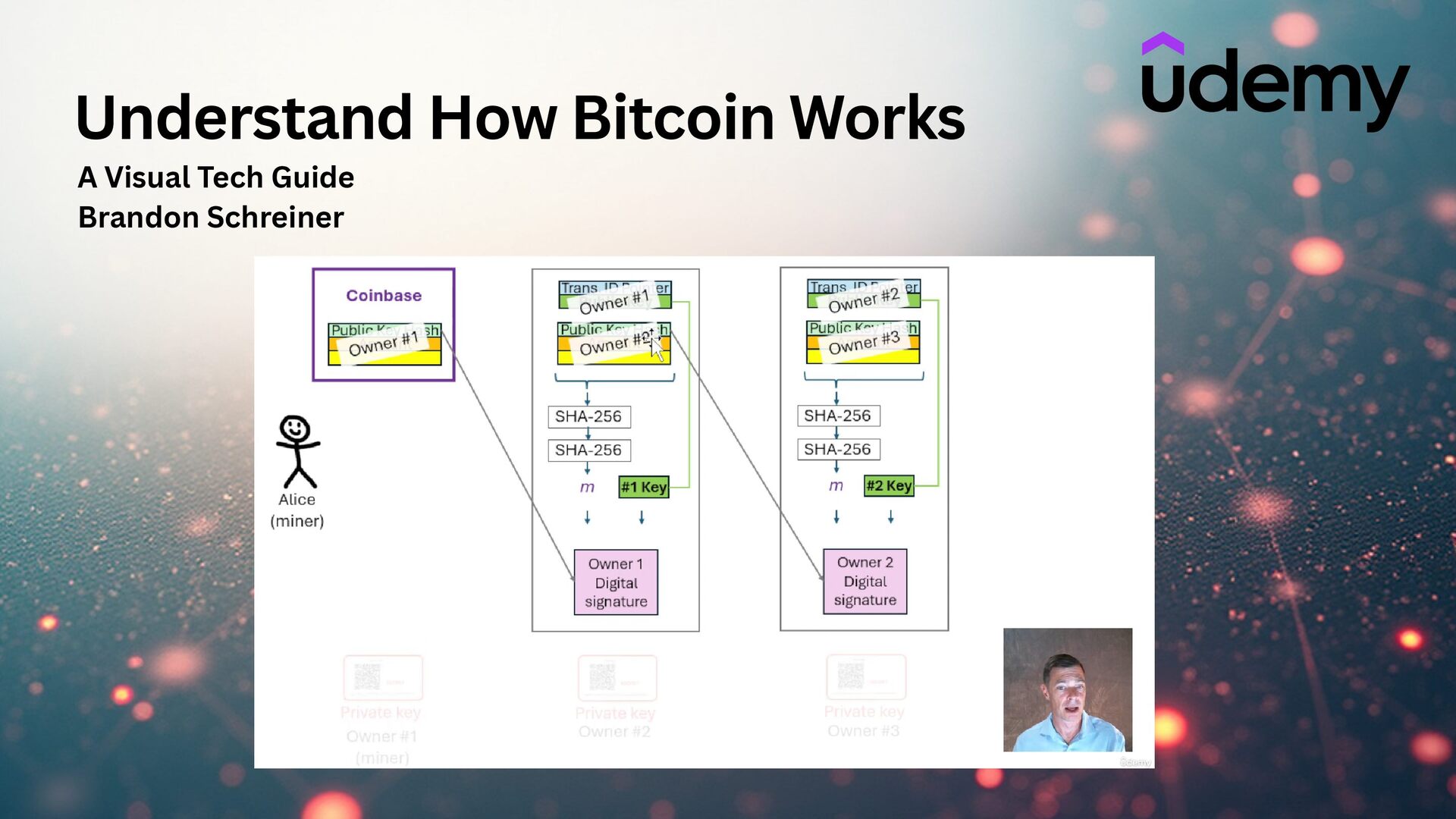
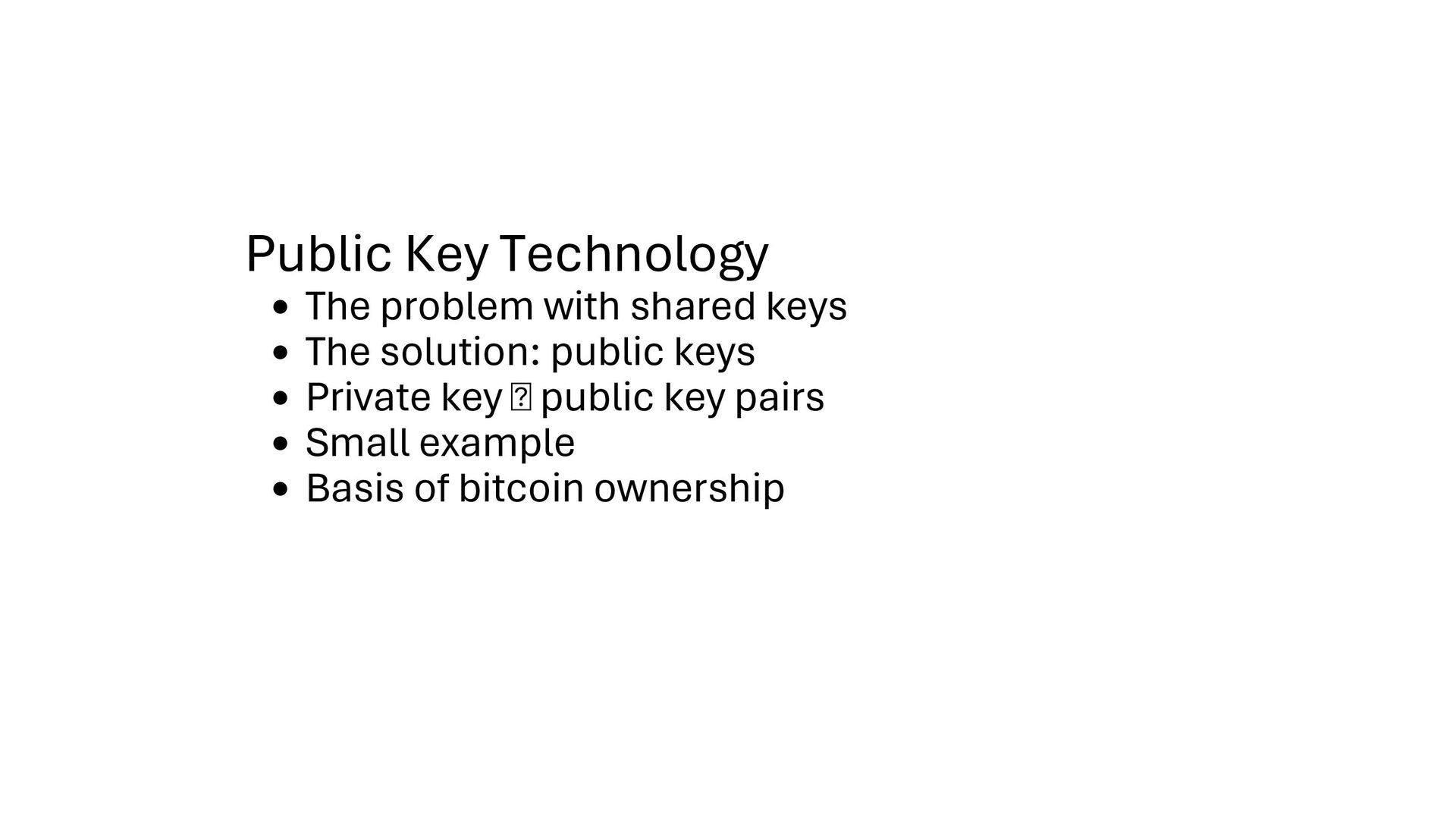
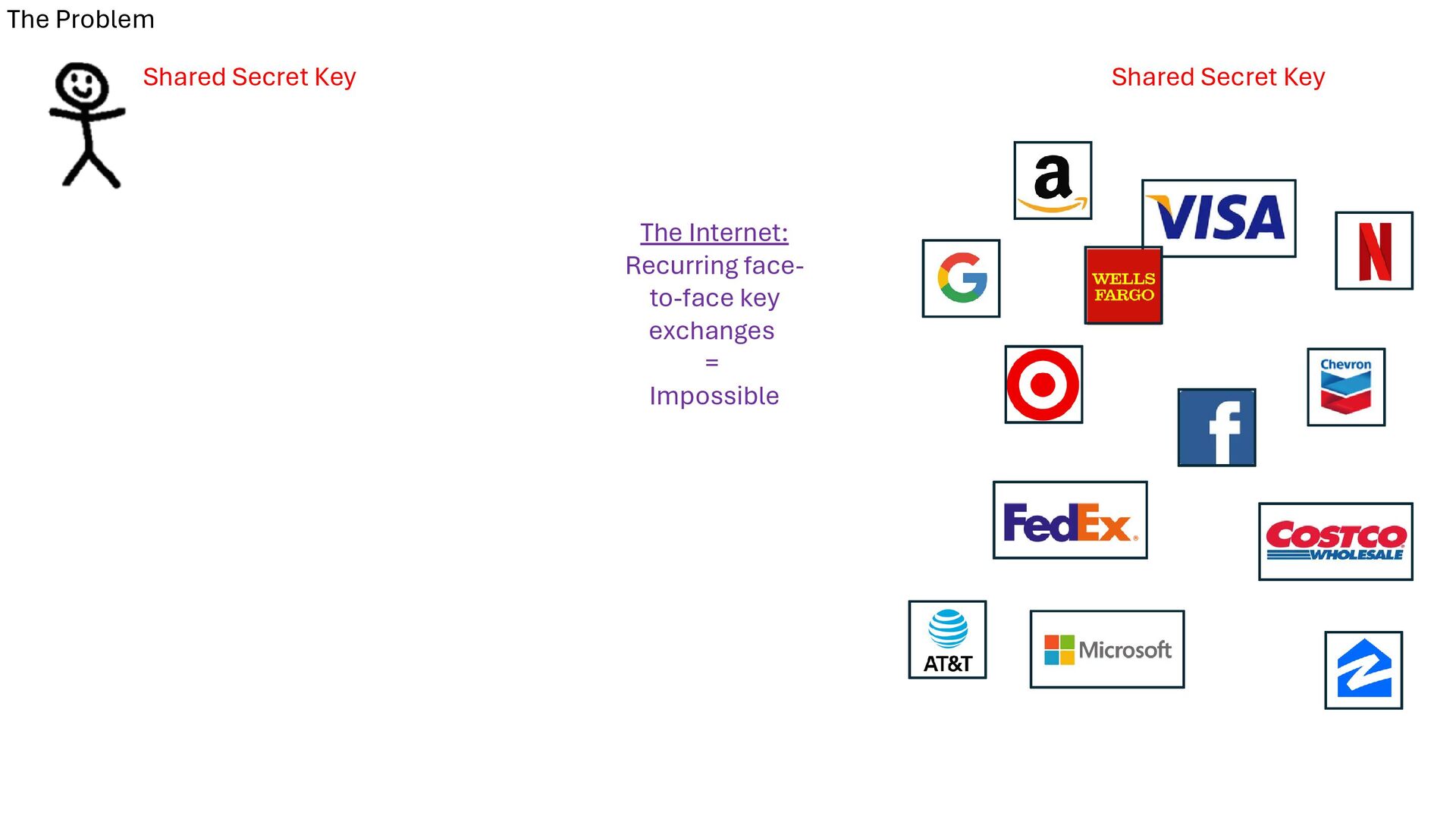
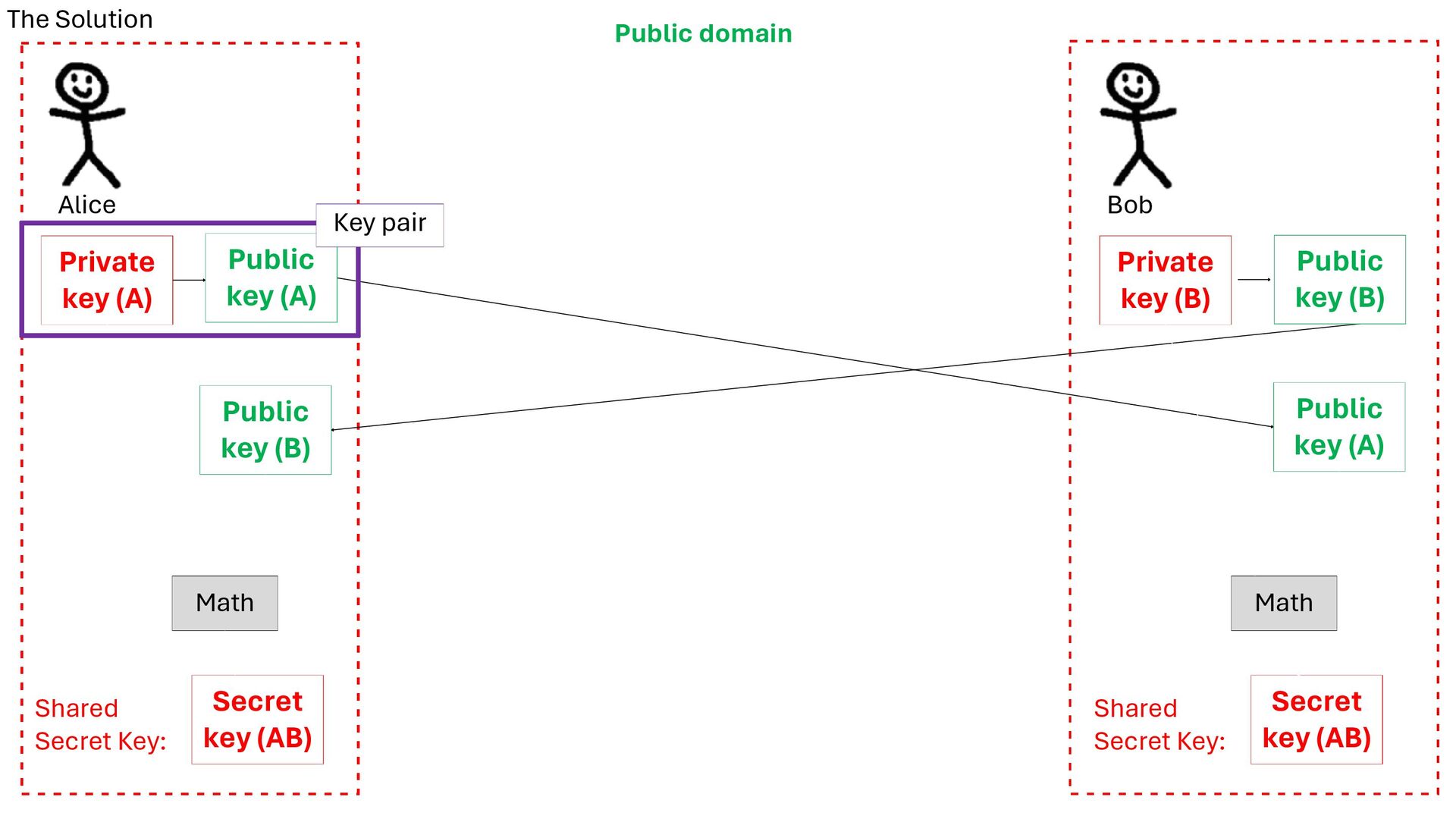
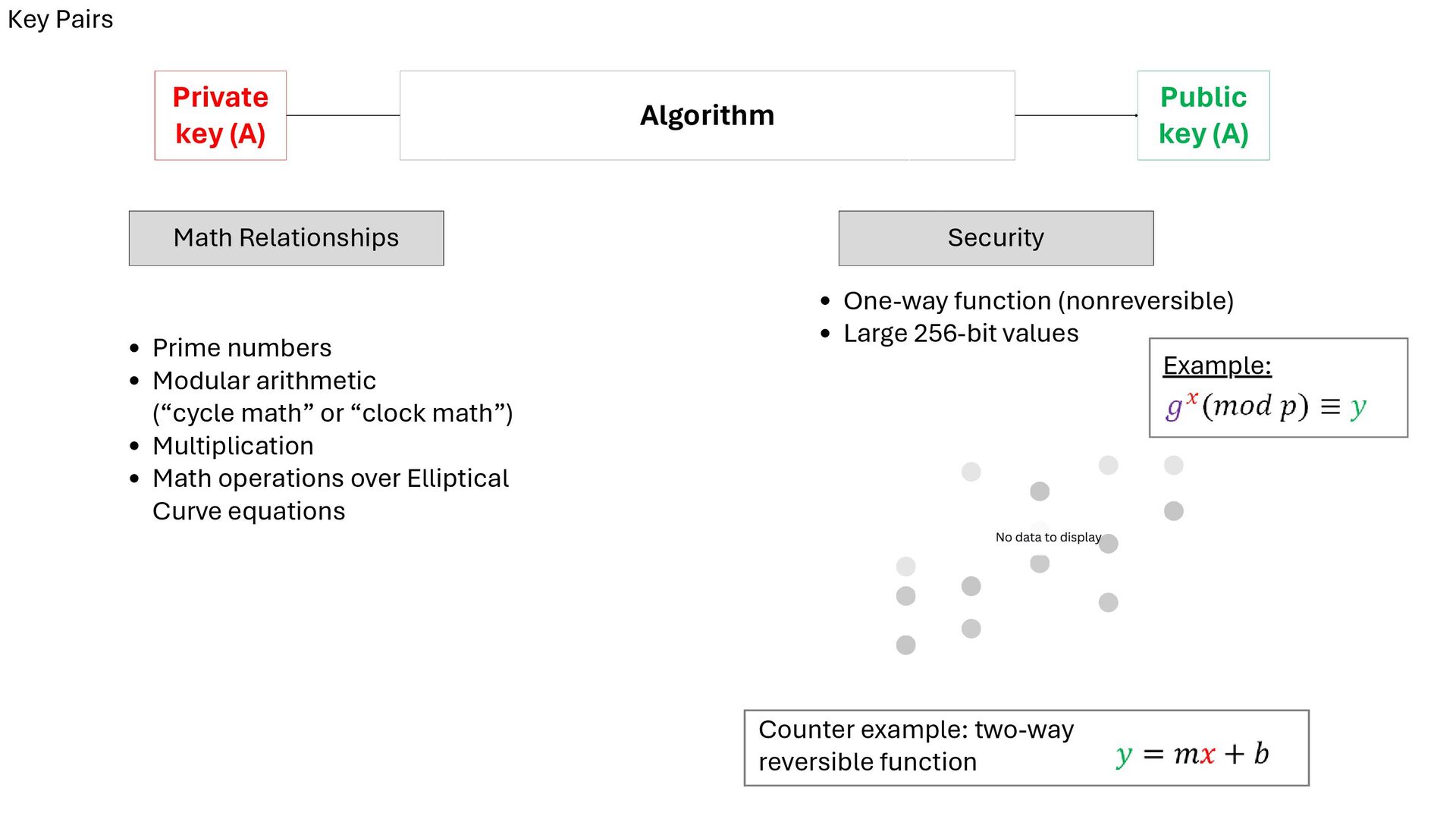
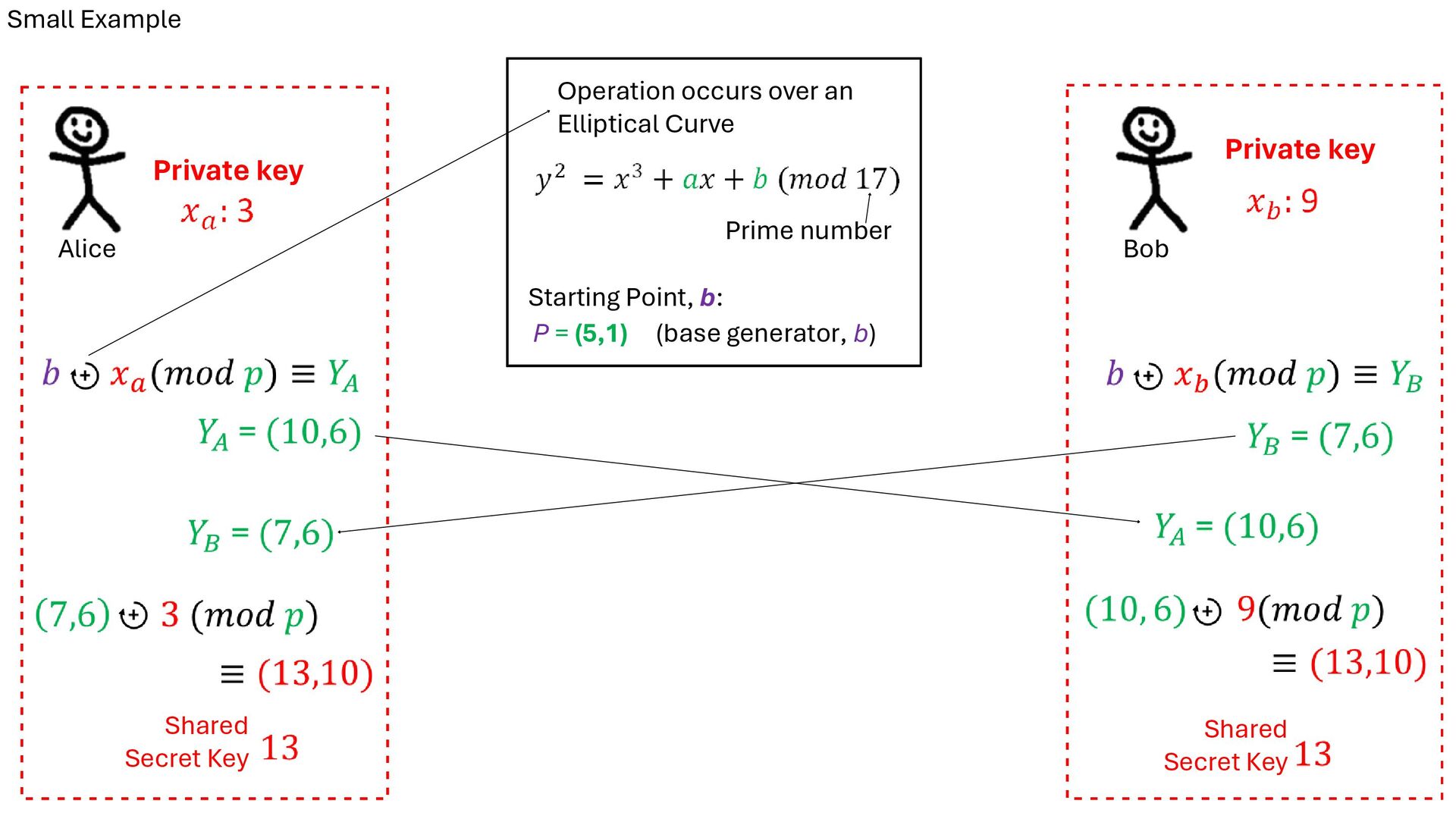
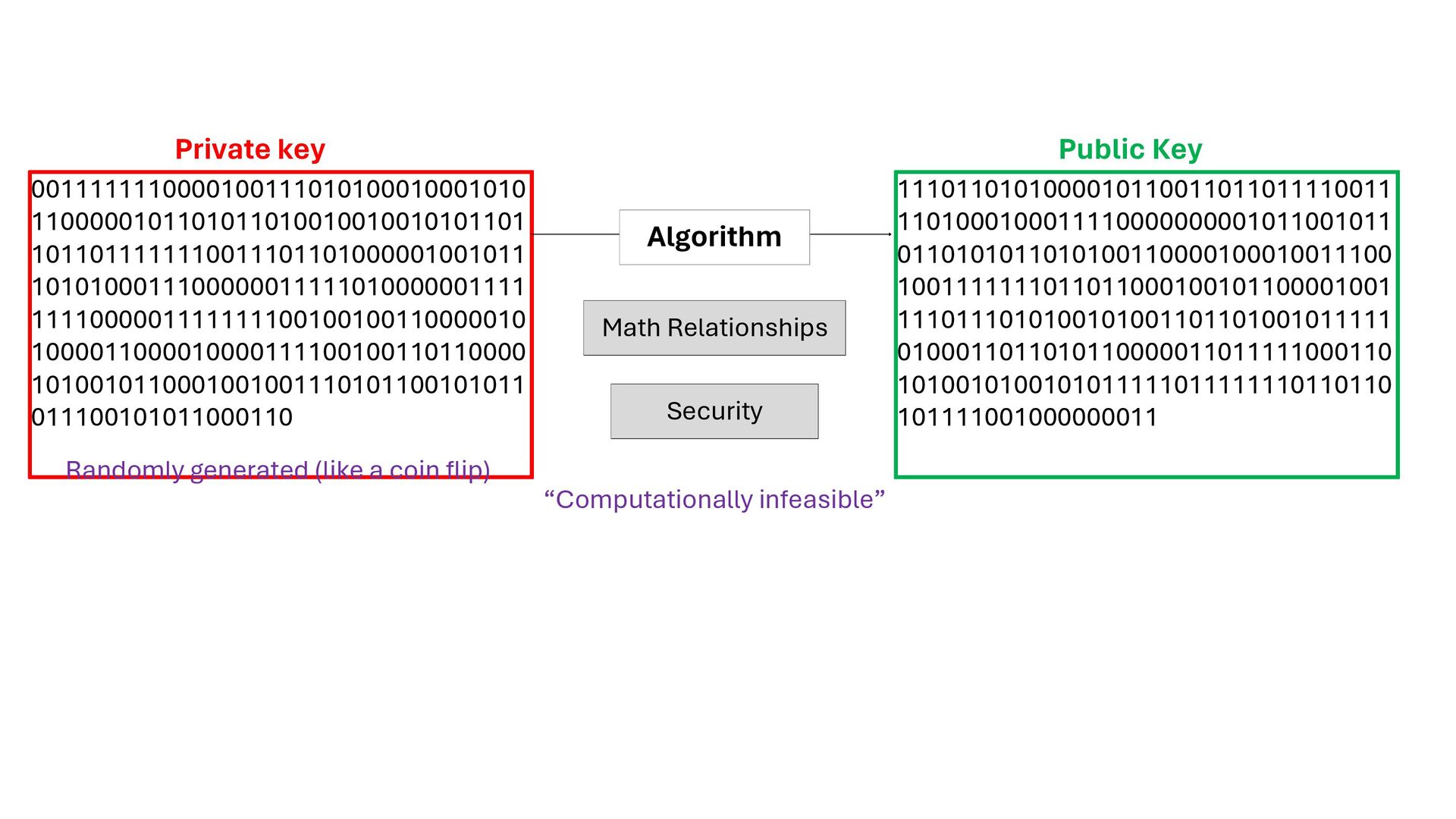
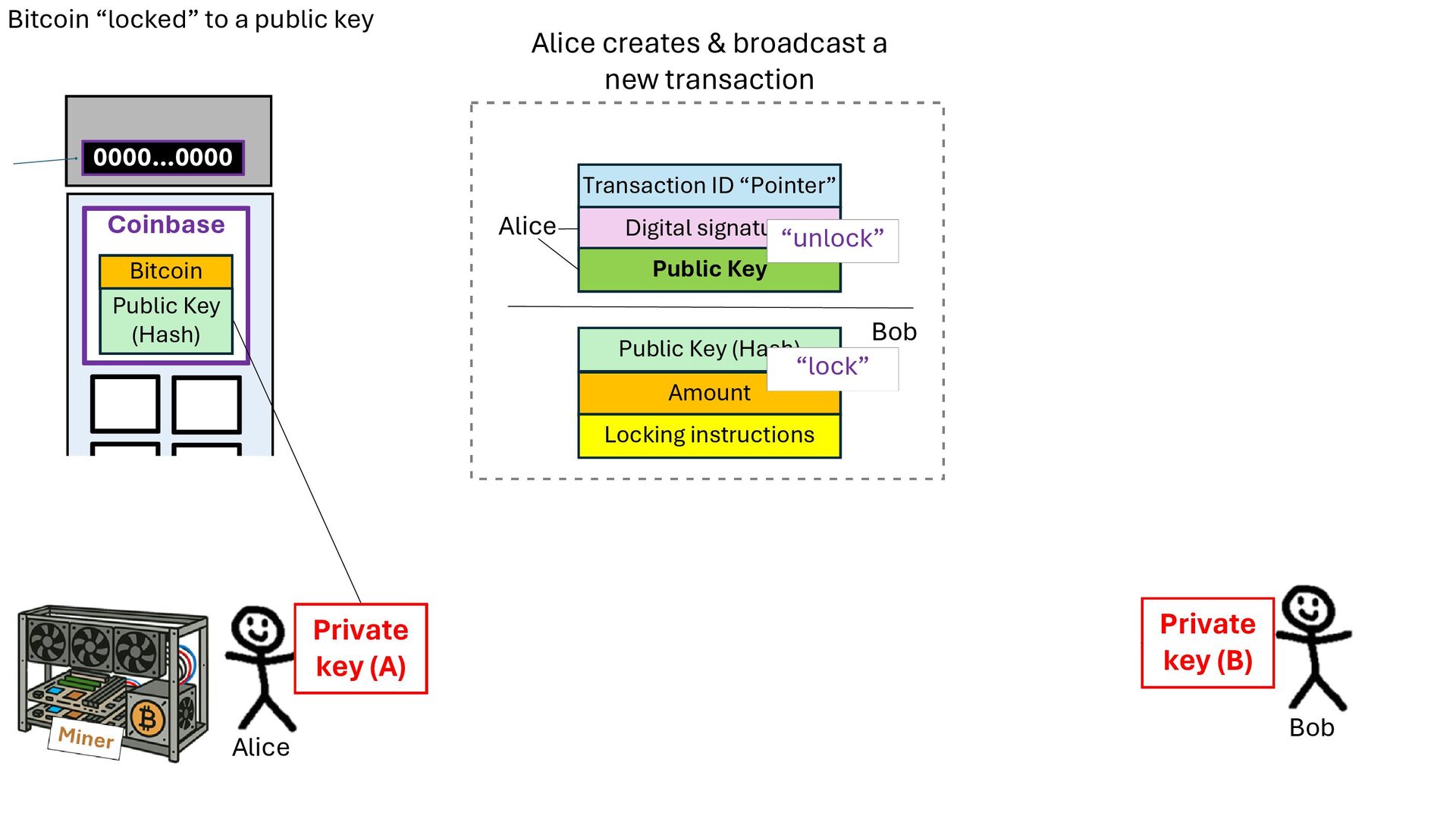
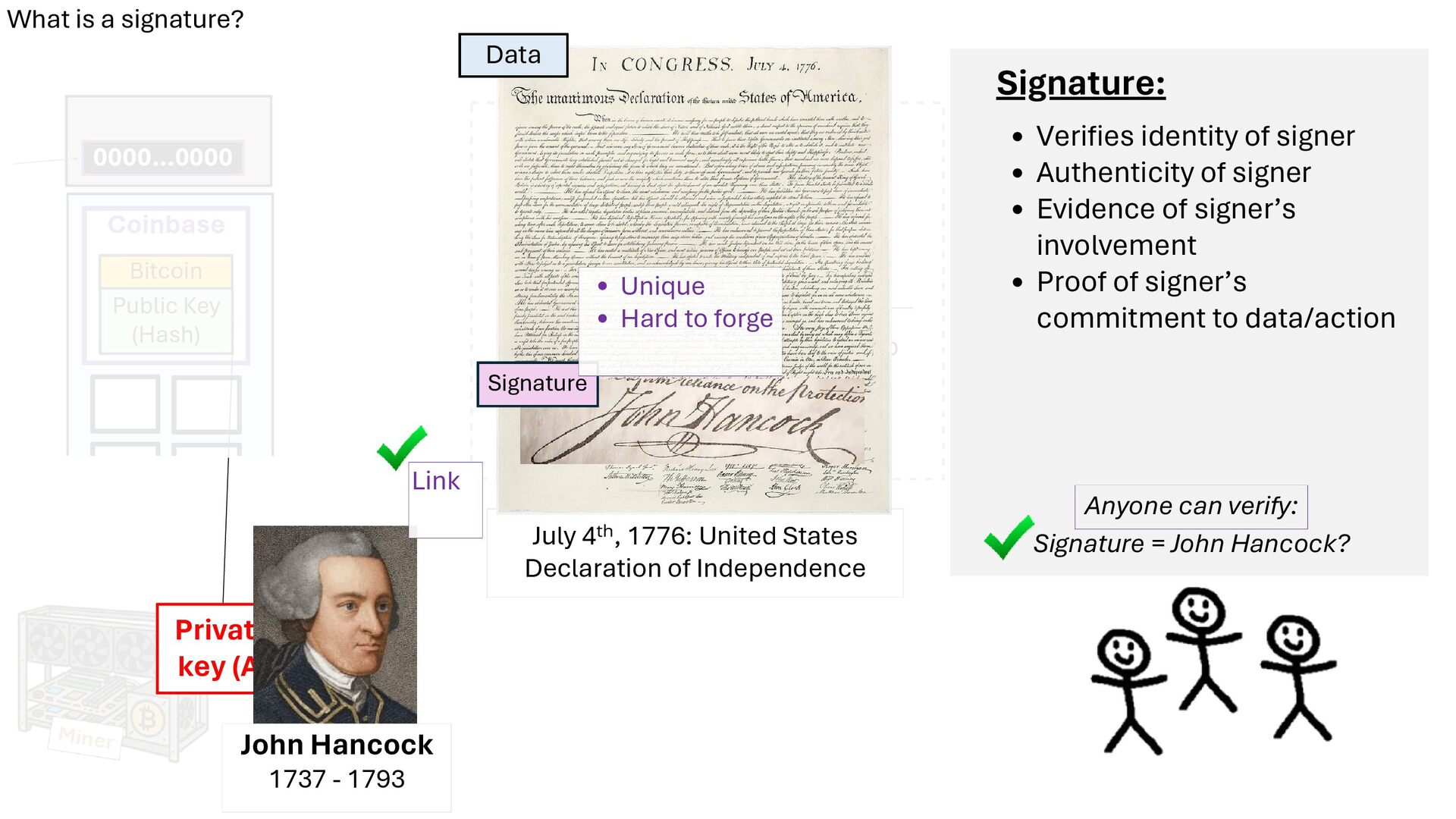
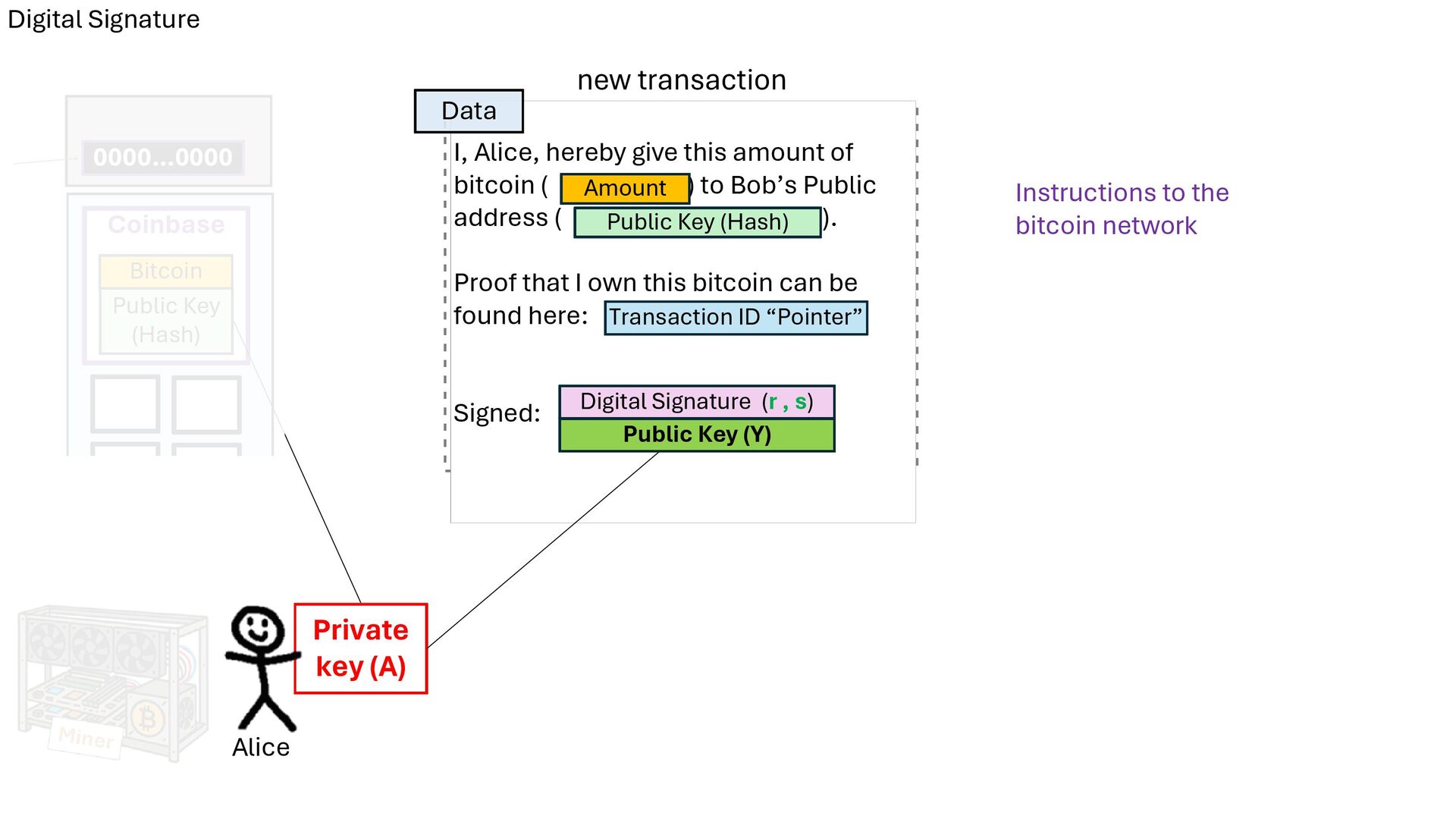
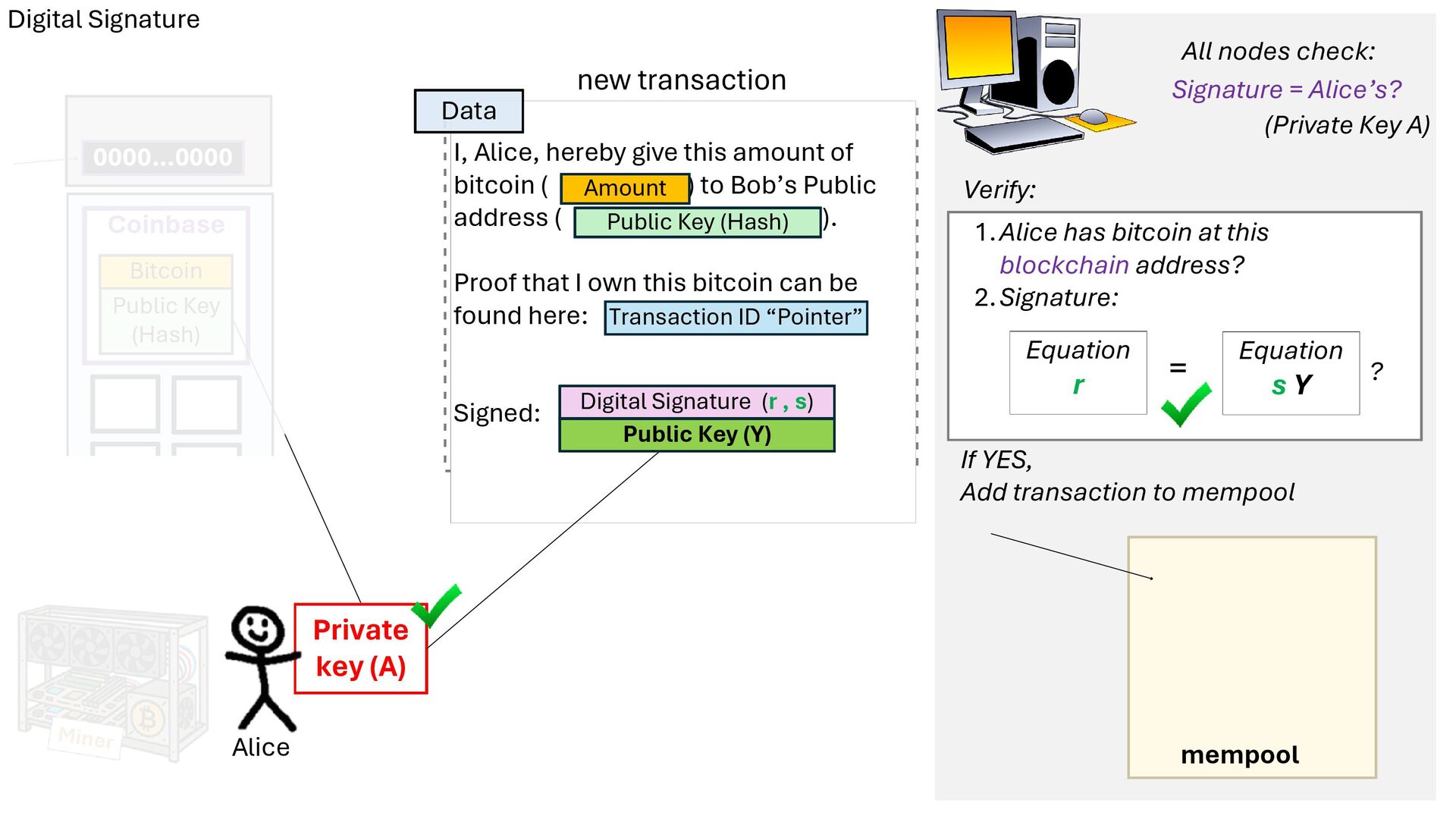
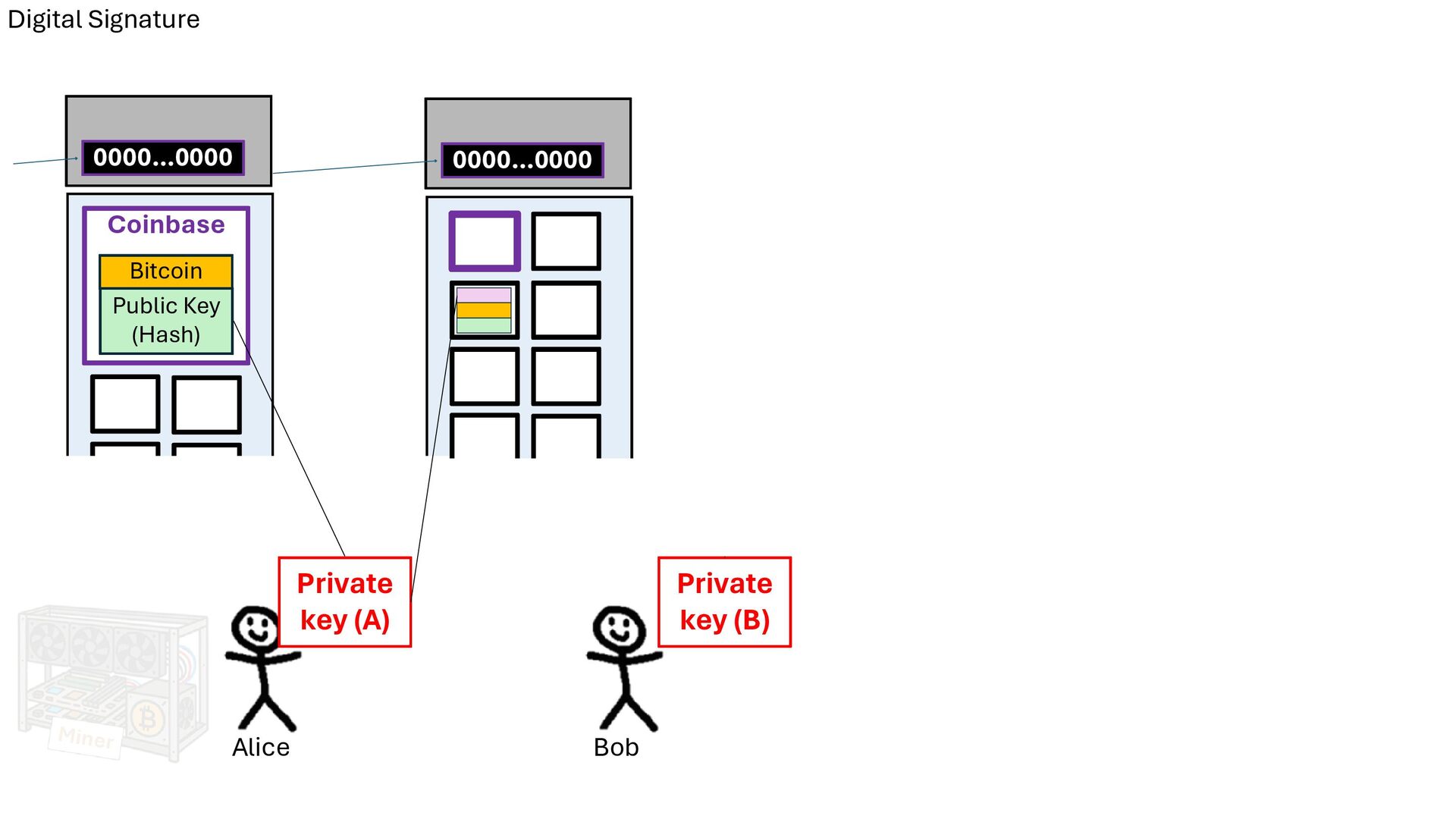
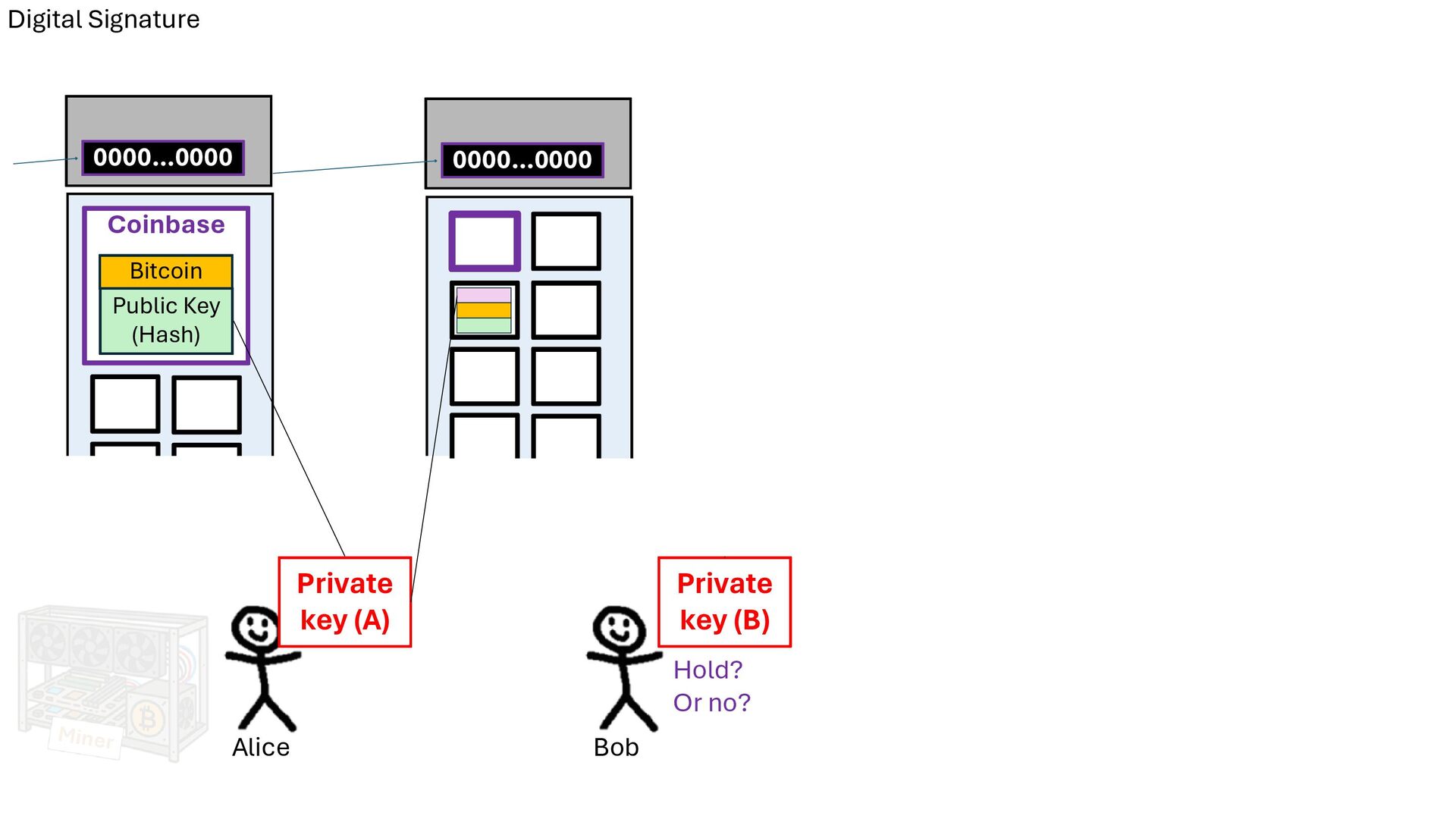
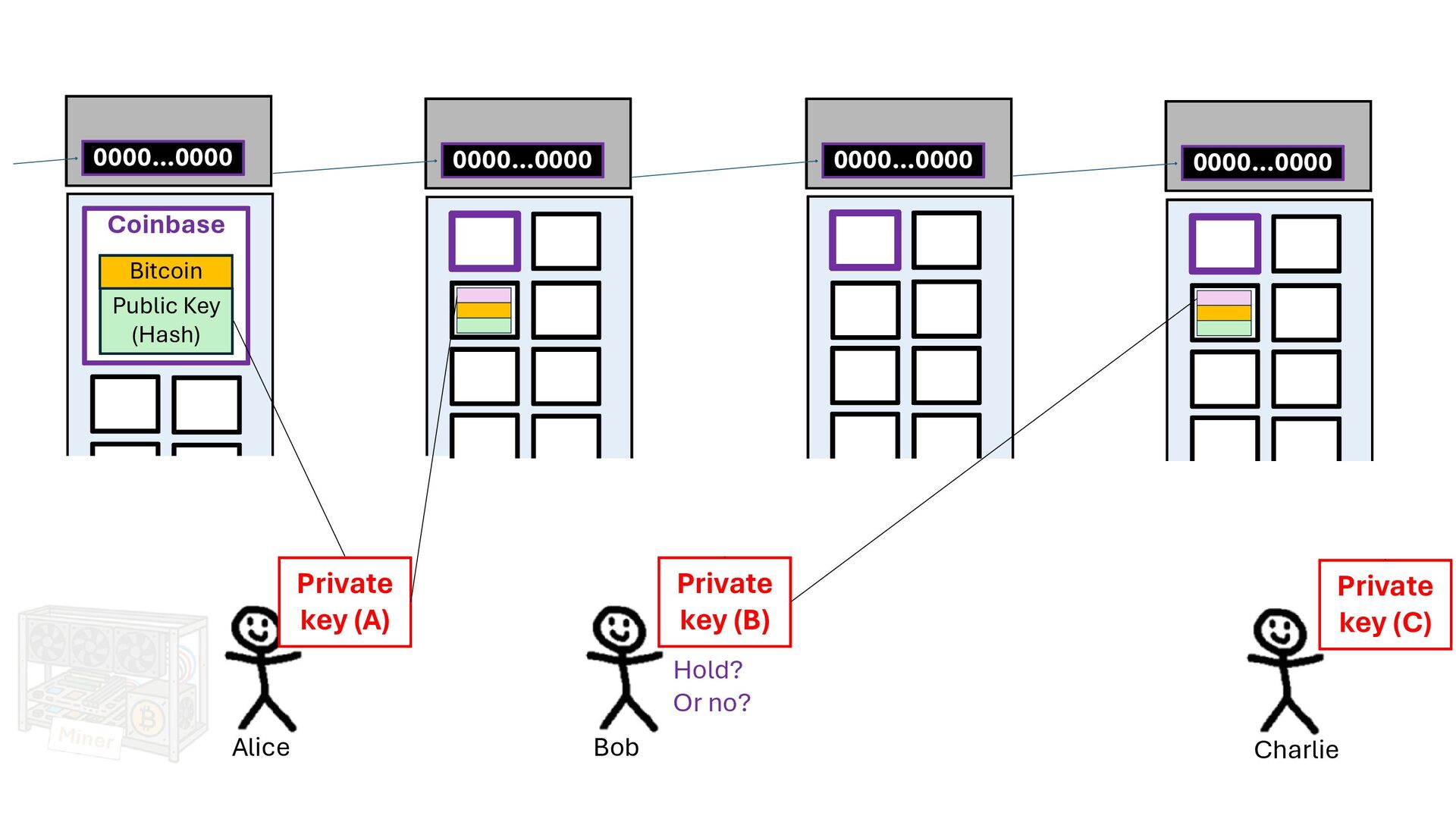
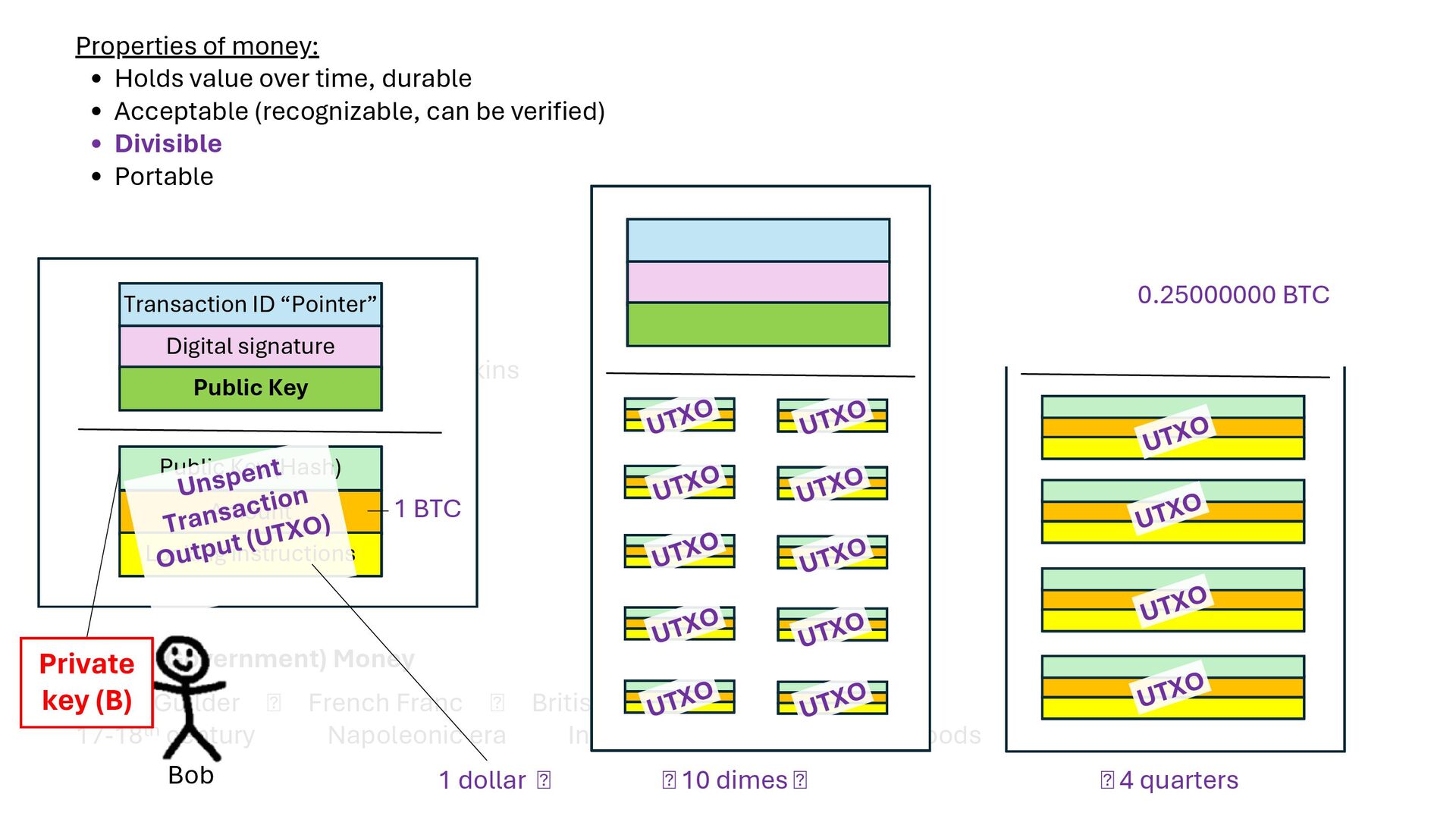
- Private Key: unlocks and signs transactions (keep secret)
- Public Key: locks bitcoin to an address (can be shared)
- UTXO: Bitcoin tracks unspent outputs, not accounts
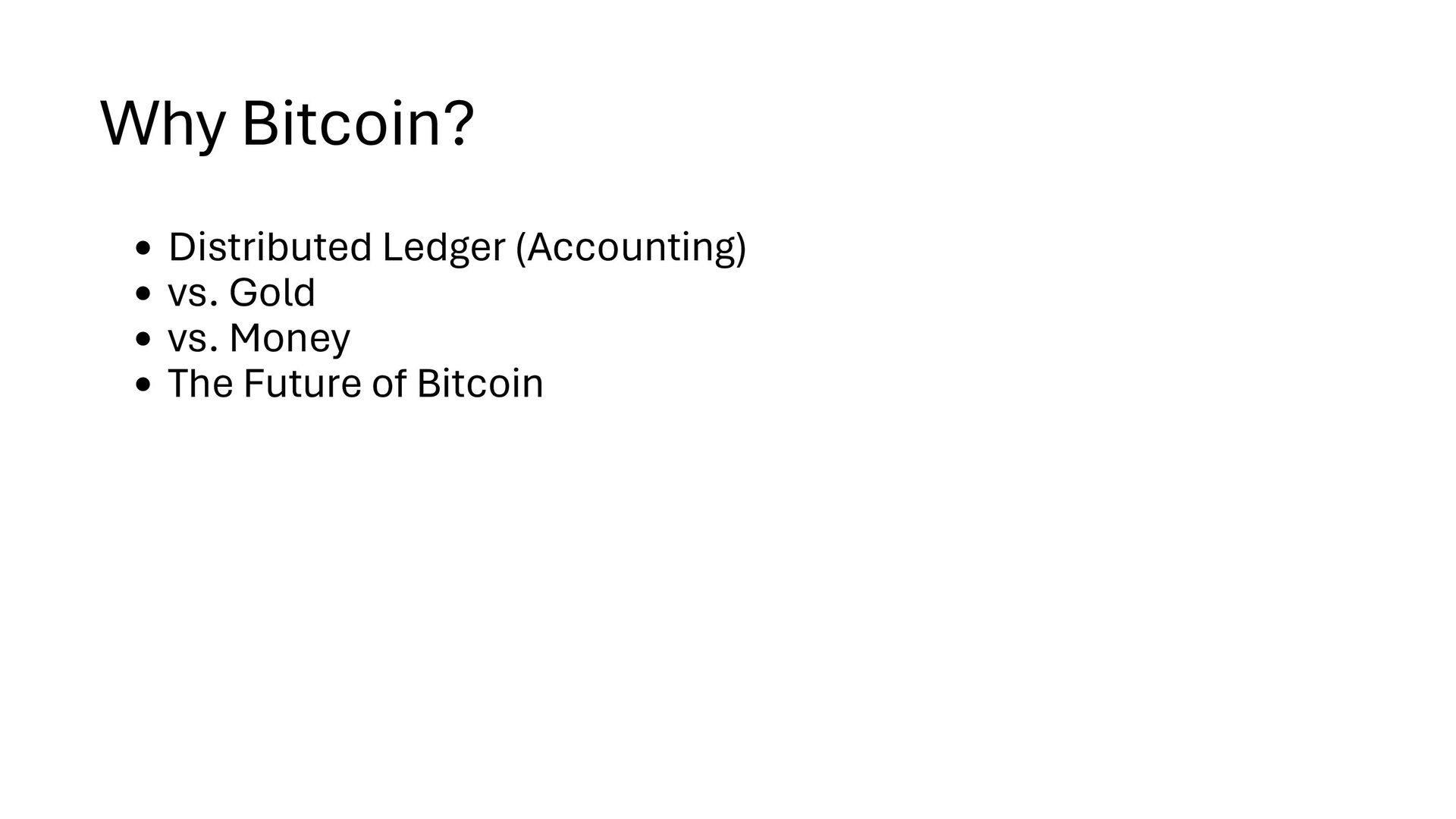
5. Why Bitcoin? (Value Proposition)
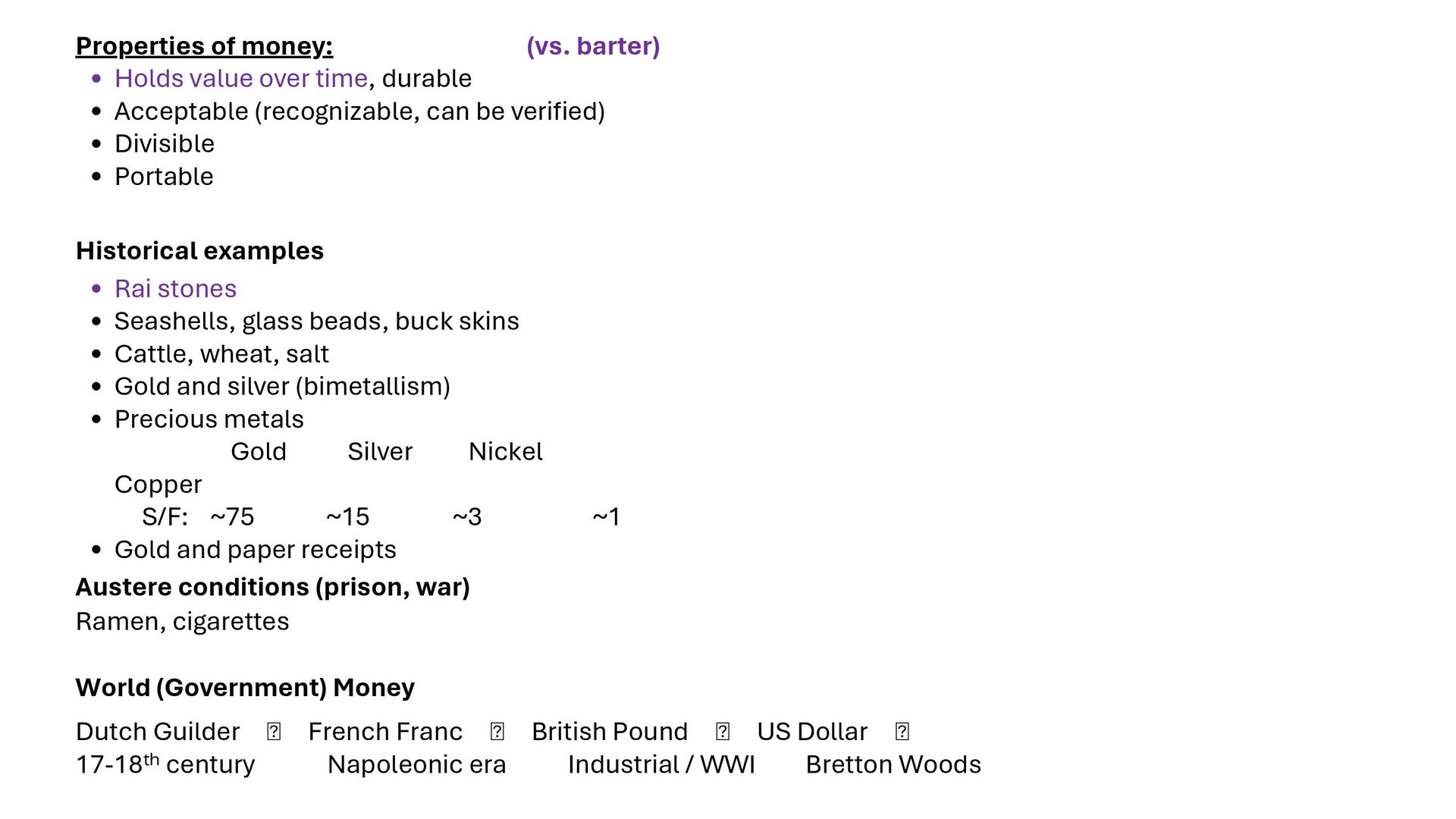
| Property | Bitcoin | Gold | Fiat | | Scarcity | Absolute (21M) | Limited (1-2% growth) | Unlimited | | Portability | High (Digital) | Low (Heavy) | High | | Divisibility | High (8 decimals) | Medium | Medium | | Verifiability | Instant/Easy | Difficult | Medium |
6. Future and Network Effects
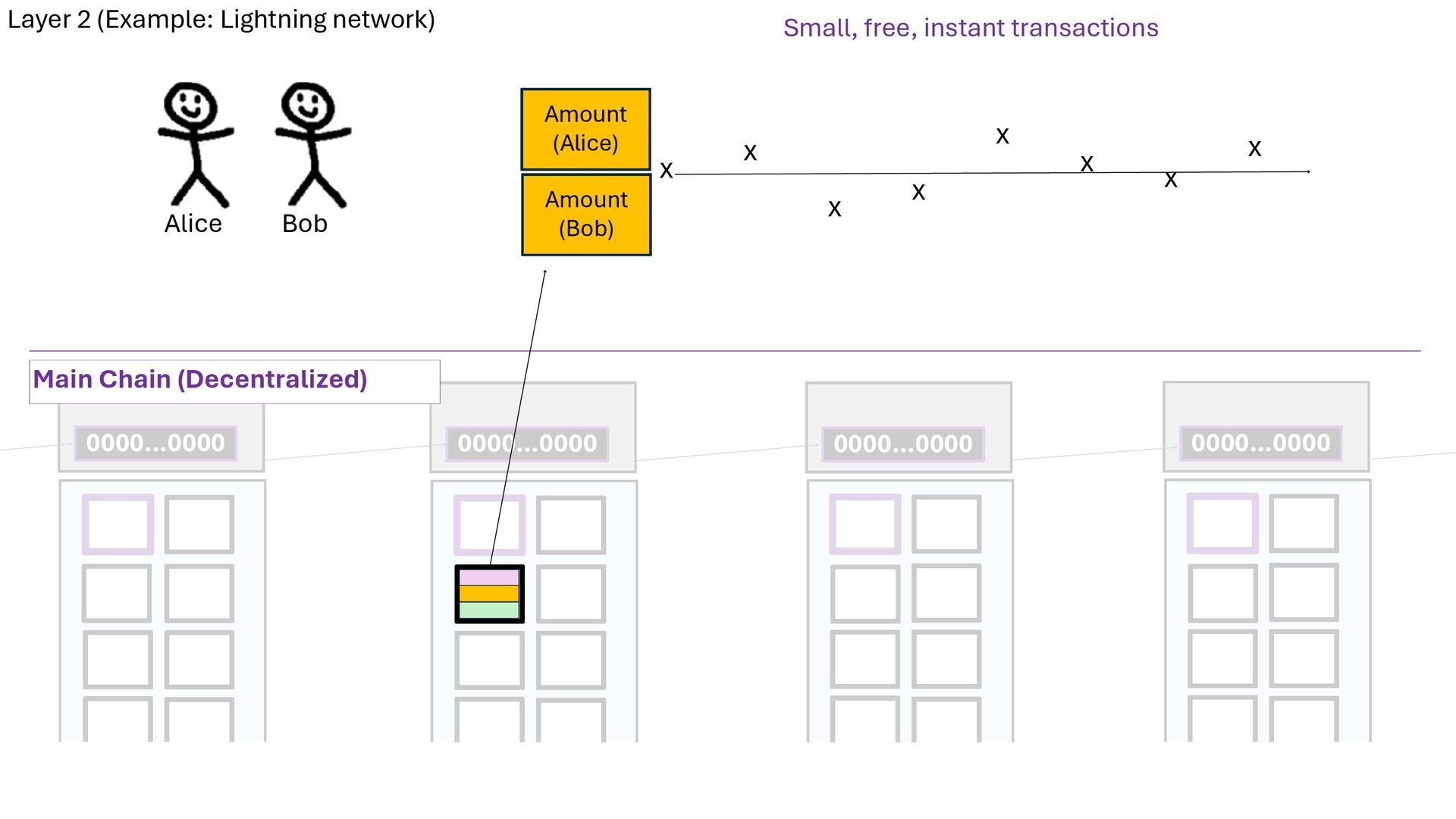
- Layer 2 (Lightning Network): small, free, instant transactions
- Soft Forks: Segwit (2017), Taproot (2021)
- Decentralization cannot be repeated; benefits from QWERTY-style network effect
Slides in this Deck
- Deck Overview (All Slides)
- Slide 1
- Slide 2
- Slide 3
- Slide 4
- Slide 5
- Slide 6
- Slide 7
- Slide 8
- Slide 9
- Slide 10
- Slide 11
- Slide 12
- Slide 13
- Slide 14
- Slide 15
- Slide 16
- Slide 17
- Slide 18
- Slide 19
- Slide 20
- Slide 21
- Slide 22
- Slide 23
- Slide 24
- Slide 25
- Slide 26
- Slide 27
- Slide 28
- Slide 29
- Slide 30
- Slide 31
- Slide 32
- Slide 33
- Slide 34
- Slide 35
- Slide 36
- Slide 37
- Slide 38
- Slide 39
- Slide 40
- Slide 41
- Slide 42
- Slide 43
- Slide 44
- Slide 45
- Slide 46
- Slide 47
- Slide 48
- Slide 49
- Slide 50
- Slide 51
- Slide 52
- Slide 53
- Slide 54
- Slide 55
- Slide 56
- Slide 57
- Slide 58
- Slide 59
- Slide 60
- Slide 61
- Slide 62
- Slide 63
- Slide 64
- Slide 65
- Slide 66
- Slide 67
- Slide 68
- Slide 69
- Slide 70
- Slide 71